Gracious reader,
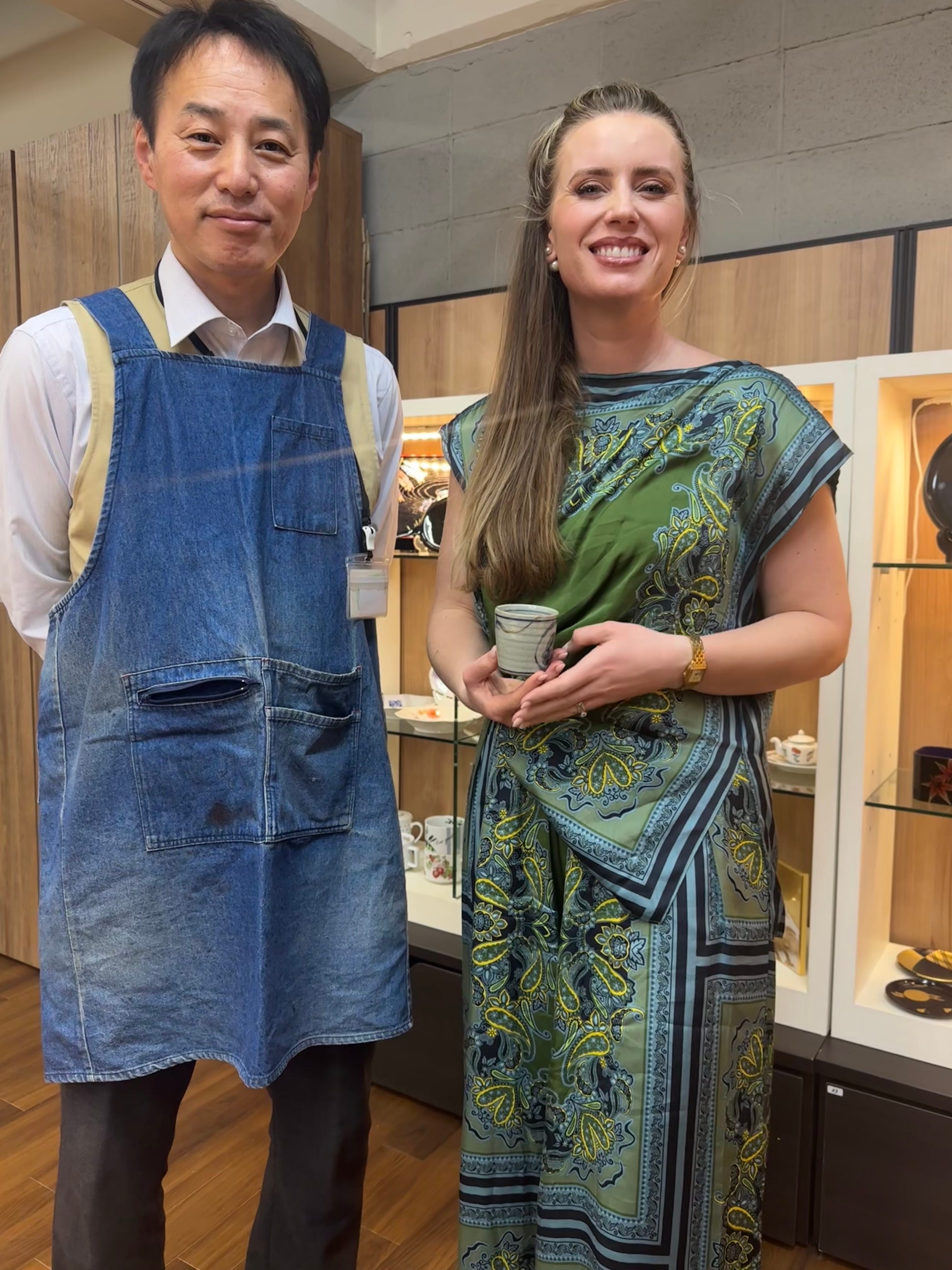
Today in Tokyo I had the privilege of taking a kintsugi class, learning an art form that dates back to 15th century Japan.


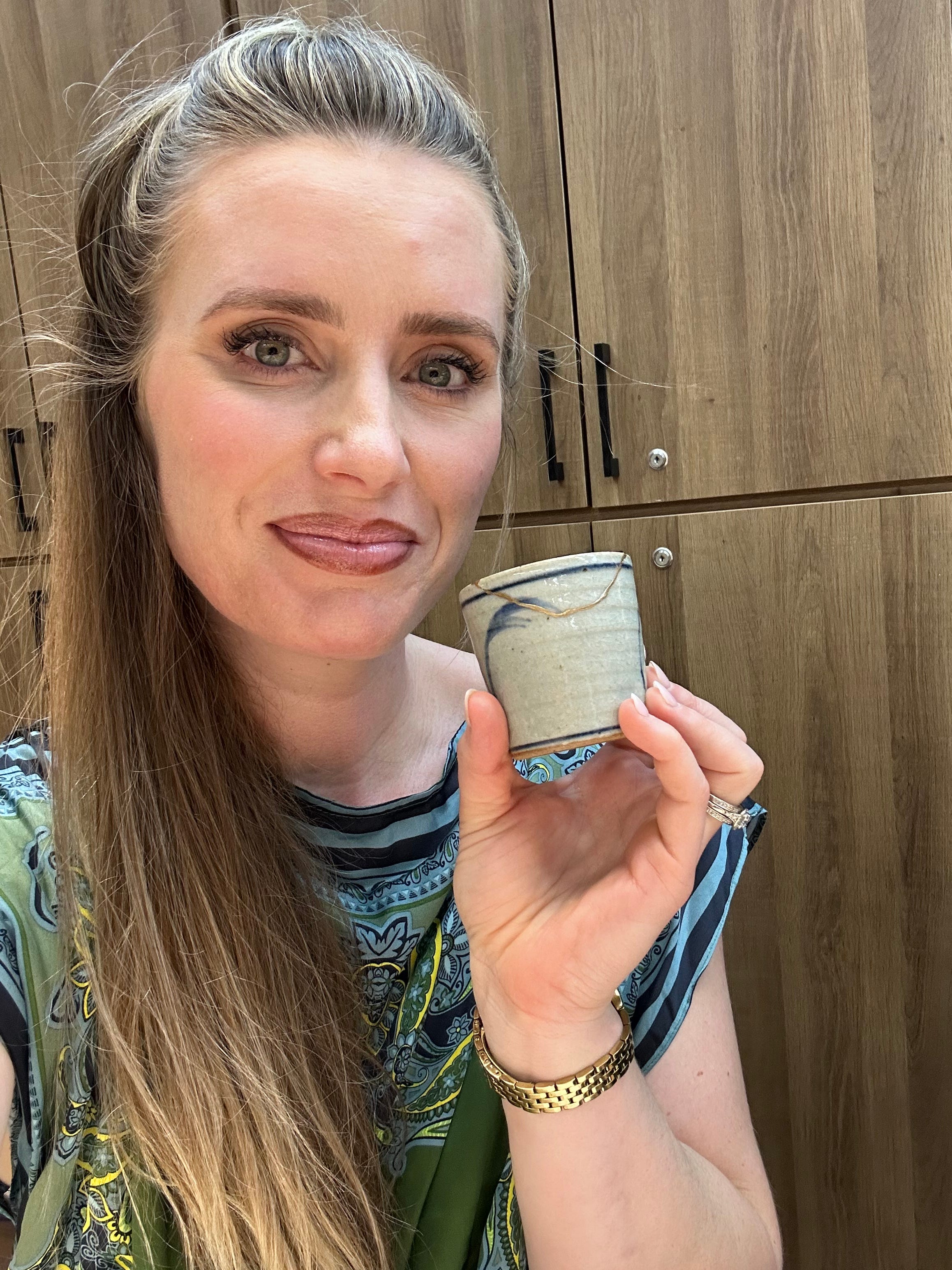
Kintsugi is the practice of repairing broken pottery and highlighting the cracks with gold. Instead of hiding the break, the repair is made visible and honored. The result is often more striking than the original piece.
It reflects a Japanese aesthetic ideal called wabi-sabi, the beauty of imperfection.
As I learned from a master kintsugi artist, I kept returning to three simple truths: we are imperfect; we can be repaired; and sometimes the repaired thing is more beautiful than before. Our brokenness does not have to be hidden. It can become part of what makes us better, and more beautiful.
Where have you seen the beauty of imperfection in your own life?
How might embracing the beauty in our own imperfections, and in the imperfections of others, make us more gracious with one another?
Could it make our families, friendships, and communities more patient and more humane?
What would it look like if we approached disagreement and conflict with the same spirit, not hiding the cracks, but repairing them with care?
I invite your reflections in the comments below.
Thank you for being part of this project of help us cultivate flourishing across difference — starting with ourselves
Warmly,
Lexi
You’re Invited: Civility in the City
Featuring Maury Giles (CEO of Braver Angels) and best-selling author Alexandra Hudson
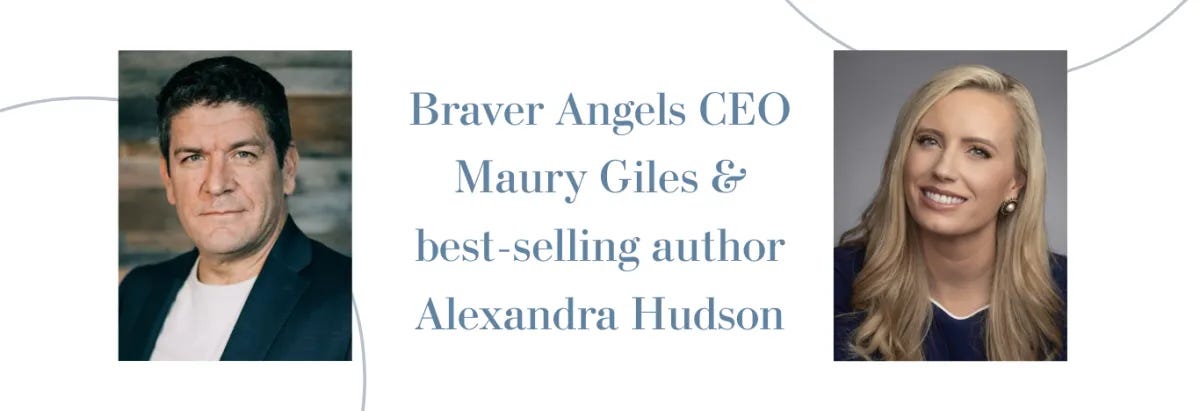
On March 30, Reclaiming Civility is hosting an expert-led evening, Civility in the City, at UCCS, featuring Maury Giles, CEO of Braver Angels, and Alexandra Hudson, best-selling author of The Soul of Civility.
This event is an opportunity to hear directly from leaders working at the front lines of civic and cultural repair — sharing what they’re seeing across communities, what’s helping people stay human in the midst of disagreement, and why these skills matter far beyond politics.
Maury and Alexandra will explore:
What’s driving the breakdown of civil dialogue
The human skills that help communities rebuild trust
How these skills apply not only in public life, but in workplaces, families, and everyday relationships
If you’ve felt discouraged by the tone of public life, or curious about what it looks like when people choose dignity over dehumanization, we’d love for you to join us.
In the news:
A media interview about The Civic Renaissance Launch in Indianapolis last week - Fox 59: 11th annual Fairbanks Symposium- Watch here
A podcast interview with Michael Lee of the University of Charleston, When We Disagree Podcast: The Soul of Civility, Tested
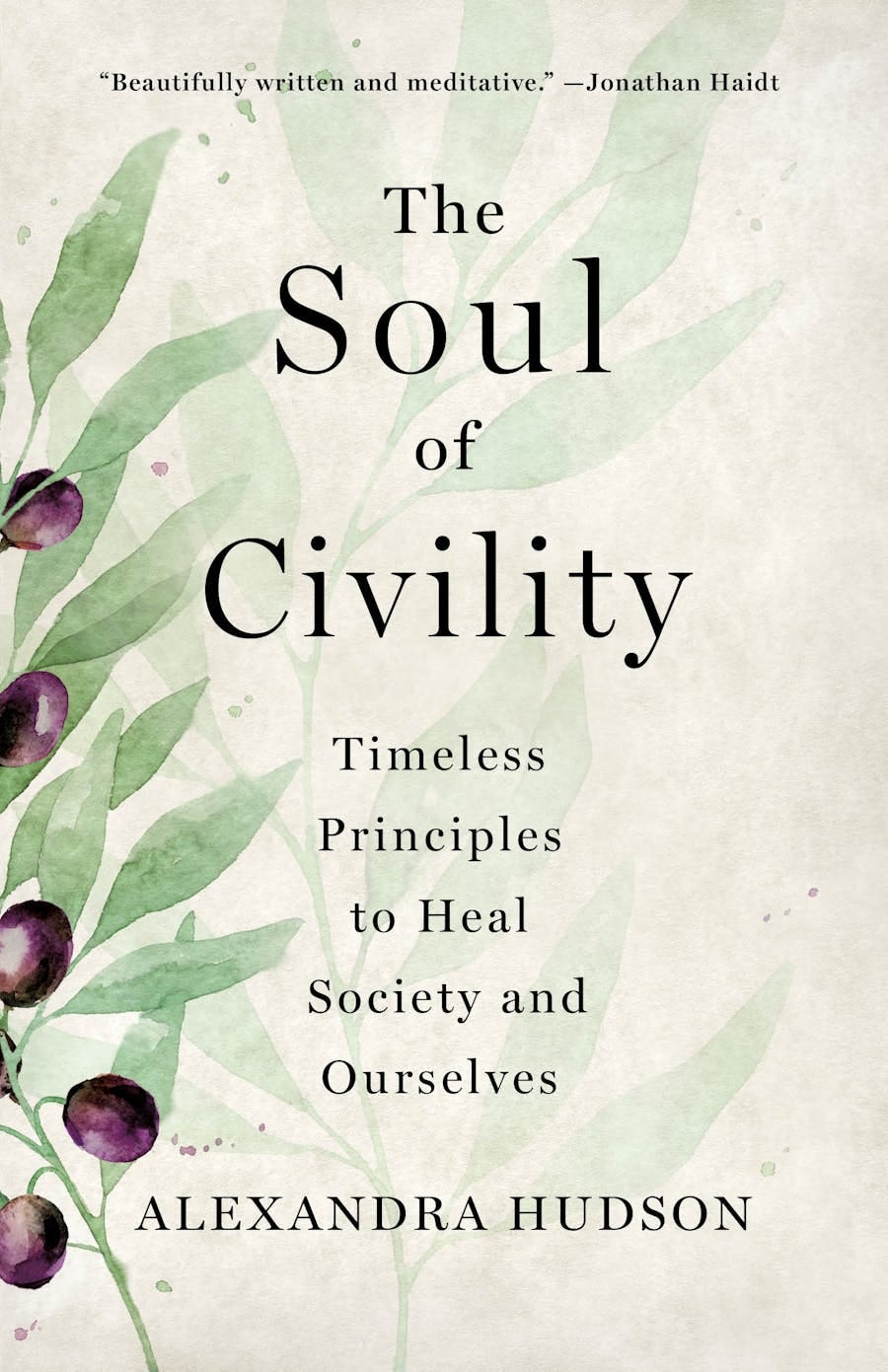
What does civility demand when justice is costly and deeply personal? Alexandra Hudson, author of The Soul of Civility and founder of Civic Renaissance, shares a raw story about how being scammed sparked both a lengthy legal battle and a profound disagreement with her husband over whether to fight or walk away. Through that conflict, Hudson wrestles with whether civility means politeness or principled confrontation, and what it costs our families when moral crusades take over our lives. The episode explores civility not as courteousness or softness, but as disciplined respect for human dignity even when the stakes are high and the gloves stay firmly on.
Review of The Soul of Civility in Indiana Capital Chronicle: With all due respect
Hudson is not alone in her pursuit for civility. A recent surveyshared by the Ronald Reagan Presidential Foundation and Institute’s Center on Civility and Democracy reported that 72% of Americans want to see more civility in our nation’s politics. The same survey found that Americans are divided on their outlook for our nation’s future, split nearly in half over whether to be optimistic or pessimistic about our ability to come together.
Review of The Soul of civility in Bitterroot Star: Disagree better
Our community is full of independent people who don’t like being told what to think. That’s a strength. But independence only works if we can argue honestly without tearing each other apart in the process. This book doesn’t offer a program or a slogan. It offers a reminder of the habits that make self-government possible.
Year Ago on Civic Renaissance:
Paideia, Humanitas, Civility and Education
Thank you for being part of our Civic Renaissance community!