Gracious reader,
Last evening, we gathered in our home for the inaugural Civic Renaissance Salon, a feast for mind, body, and spirit.
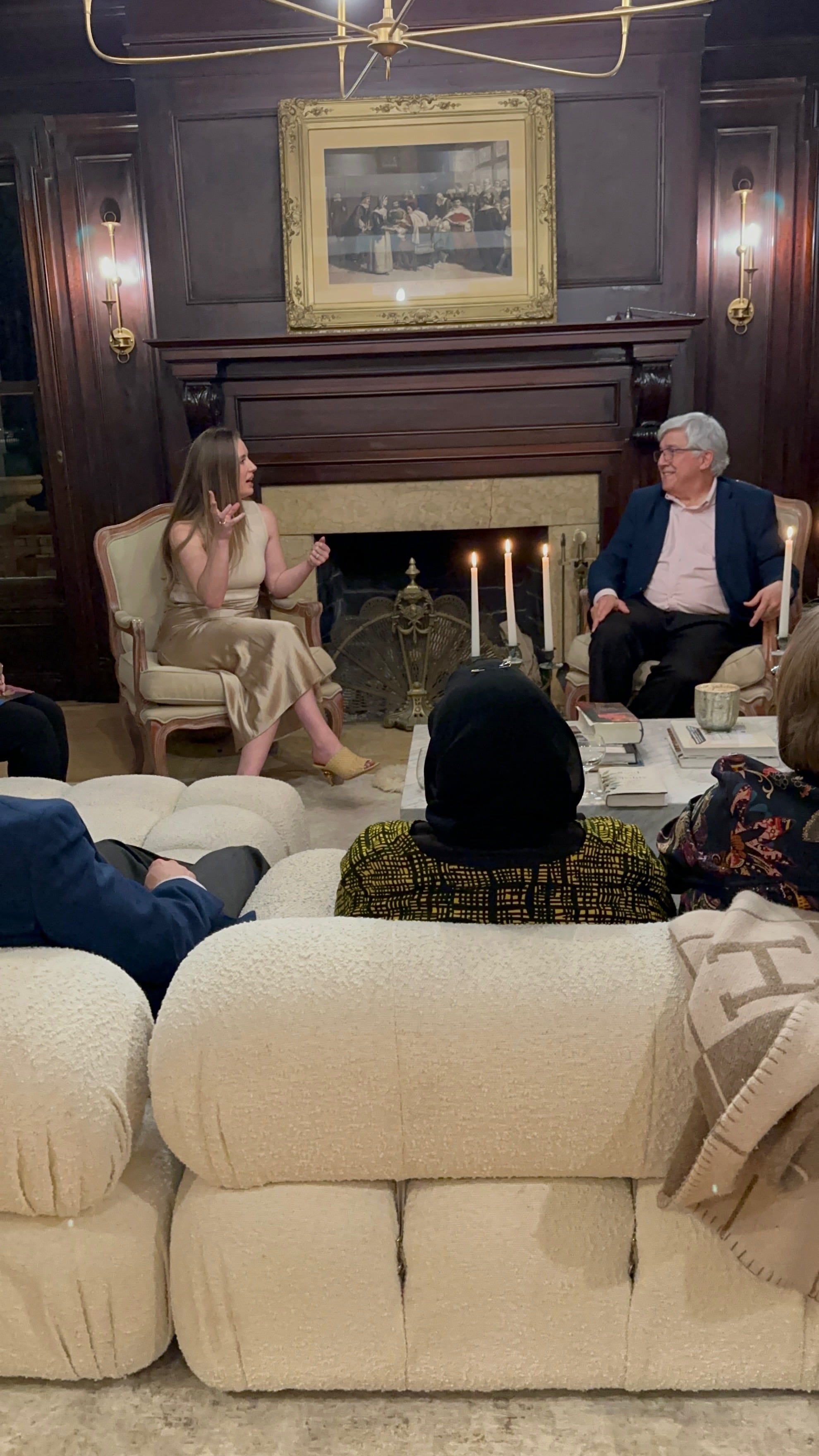
The intention was not entertainment. It was restoration.
Those of you who joined us are faith leaders in our city. You spend your lives carrying the burdens of others, tending souls, mediating conflict, offering consolation, speaking hard truths. For one evening, we wanted to reverse the direction of service. To nourish those who so often nourish everyone else.
Hospitality, rightly understood, is not ornamental. It is civilizational. In Homer’s Odyssey, the practice of welcoming the stranger, xenia, functions as a moral test. Civilized people receive the guest before interrogating him. Disorder begins when hospitality collapses. The table, in that sense, is political.
Aristotle, in Nicomachean Ethics, wrote that friendship holds cities together. He did not mean sentimentality. He meant that political life depends on habits of regard that prevent disagreement from becoming dissolution. A city without civic friendship fragments.


That was our aim.
Not to harmonize our differences into a thin consensus. Not to reduce Hindu, Jewish, Christian, LDS, and other traditions to a lowest common denominator. The goal was robust pluralism. Bring your convictions to the fore. Articulate them without embarrassment. Listen without fear. Remain friends.
Agreement was not the objective. Politeness was not the objective. Civility was.
Civility is an inner disposition rooted in recognizing the inherent dignity of others. Politeness is a set of manners and techniques that smooth the surface of interaction. Politeness papers over tension. Civility permits tension while refusing dehumanization. It respects oneself enough to speak honestly and respects others enough to hear them fully.
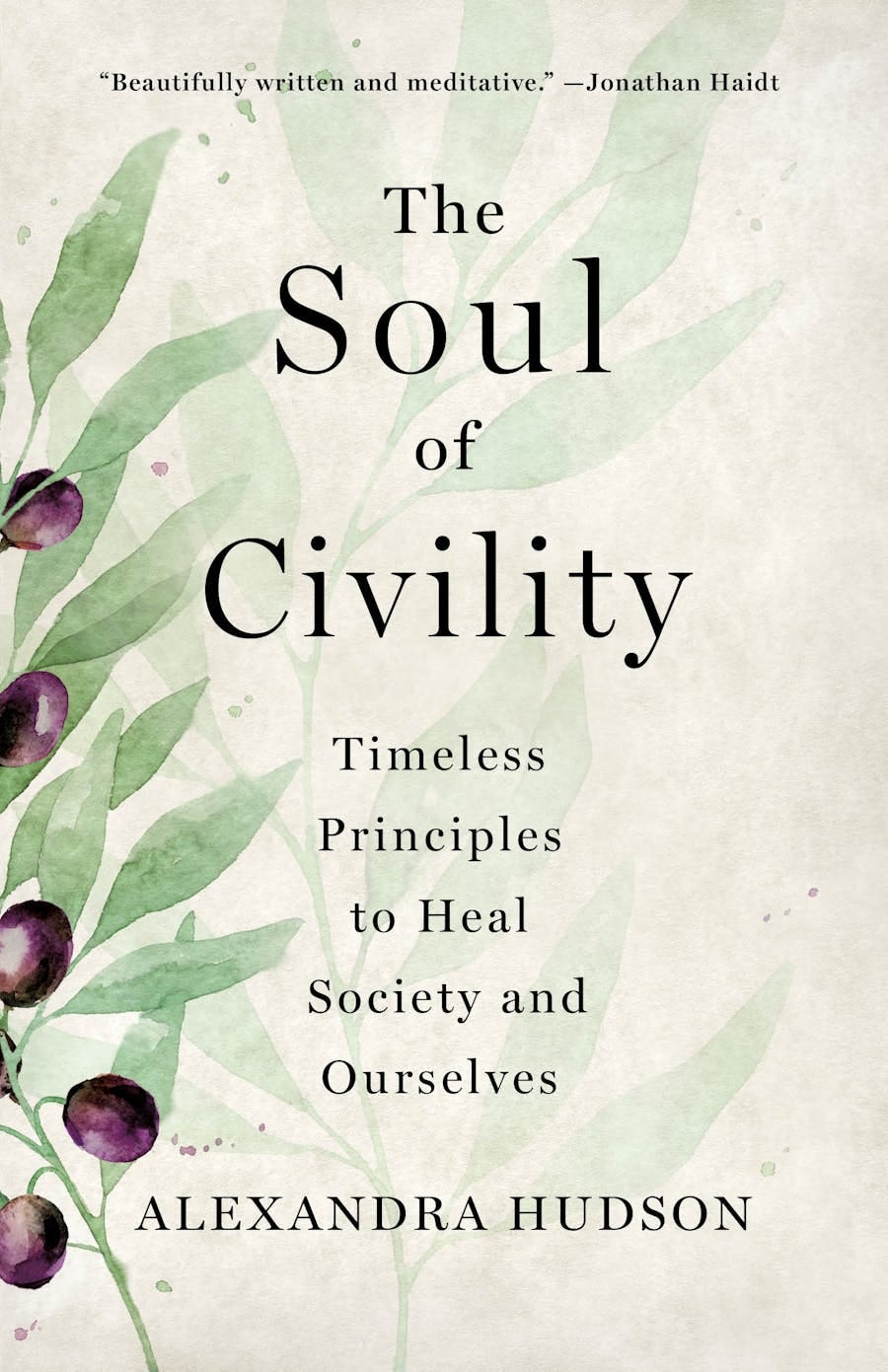
Several of you asked why I shared Chapter Two and the final chapter of The Soul of Civility.
Chapter Two traces a pattern observable across philosophical and religious traditions: independent thinkers, separated by centuries and continents, repeatedly arrive at similar conclusions about what strengthens human communities and what corrodes them. The question they are asking is not sectarian. It is anthropological. What kind of person makes flourishing possible? What habits destroy it?
The final chapter, on misplaced meaning and forgiveness, confronts a more contemporary distortion. In his Letter Concerning Toleration, John Locke argued that the magistrate’s authority concerns civil interests, while the care of souls belongs to a different sphere. When we collapse those domains, when politics becomes the vehicle for ultimate meaning, we overload the democratic process with expectations it cannot bear.
No election can answer questions of origin, purpose, and destiny. When we demand that it do so, politics becomes salvific, and disappointment becomes existential.
Faith leaders therefore have a distinctive role in stabilizing a democracy. Not by baptizing party platforms. Not by retreating from public life. But by restoring proportion. By reminding communities that the state is limited, and that ultimate meaning cannot be legislated.
Several of you have written since last night asking, what now?
Here is a concrete path.
First, I am attaching the free reading guide that communities across political, geographic, and vocational lines have used to read The Soul of Civility together. I invite you to gather your congregations and read it with an explicit orientation toward practice. Not as abstraction. Not as theory alone. Ask: What would flourishing across difference look like here, now, in this community?
Second, let us reconvene in six to twelve weeks. Return with observations. Where did your communities resonate? Where did they resist? What new possibilities emerged? From there, we ask together: what institutional forms might embody these principles?
Third, expand the circle. Who else belongs at the table? Civic leaders. Educators. Elected officials. Nonprofit directors. Invite them. Renewal spreads through concrete relationships.
This is not a request for spectators. It is an invitation to co creators. Civic Renaissance will only take root if local leaders adapt these principles to their own contexts and build durable structures around them.
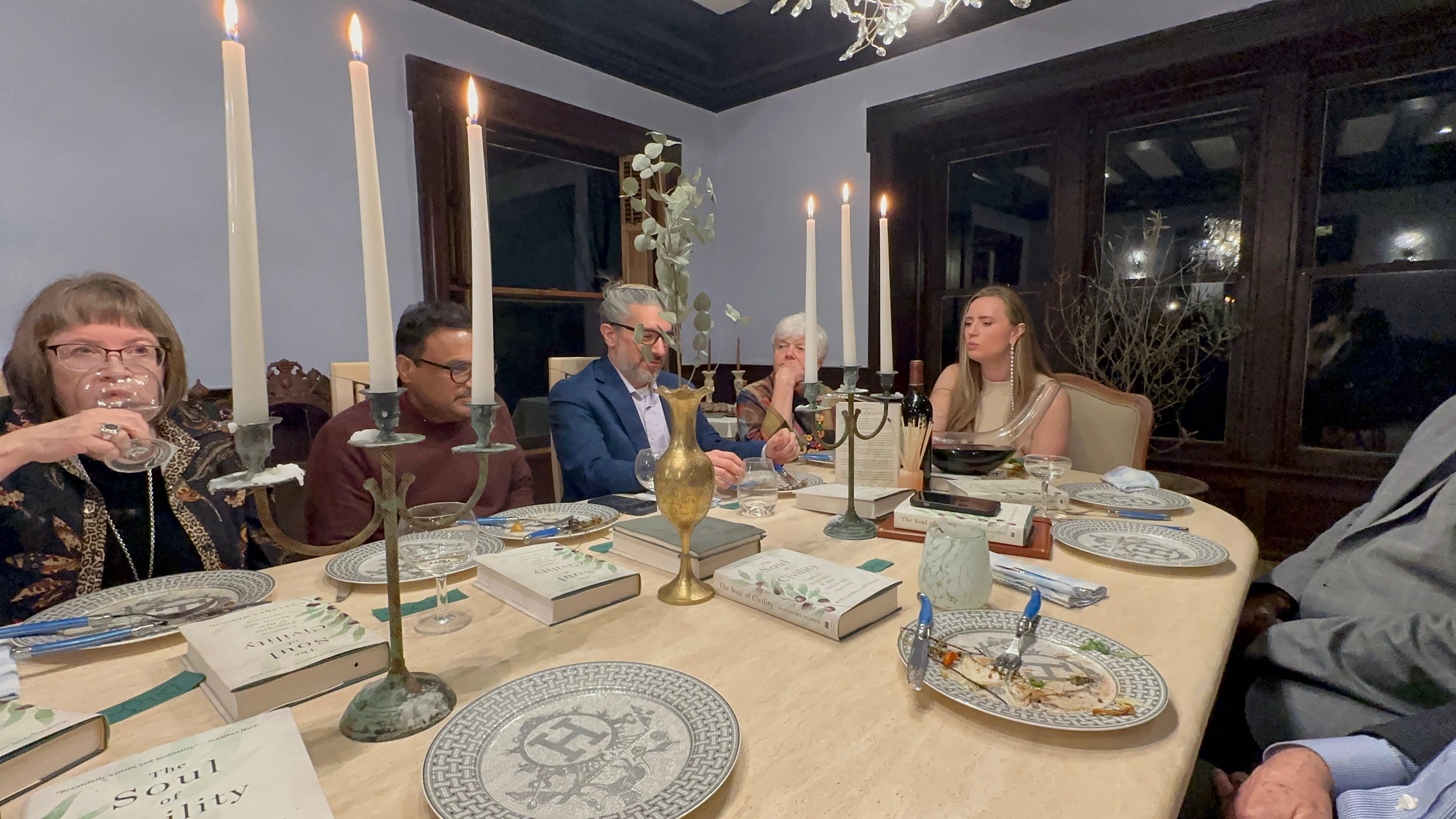
Across the country, similar conversations are unfolding in legislatures, universities, and cities. But renewal is always local. It begins in particular homes, among particular people, around particular tables.
If last night felt like the beginning of something, that is because it was.
If this was the first course, there is much more to come.
Warmly,
Lexi
In the news:
When We Disagree Podcast: The Soul of Civility, Tested
What does civility demand when justice is costly and deeply personal? Alexandra Hudson, author of The Soul of Civility and founder of Civic Renaissance, shares a raw story about how being scammed sparked both a lengthy legal battle and a profound disagreement with her husband over whether to fight or walk away. Through that conflict, Hudson wrestles with whether civility means politeness or principled confrontation, and what it costs our families when moral crusades take over our lives. The episode explores civility not as courteousness or softness, but as disciplined respect for human dignity even when the stakes are high and the gloves stay firmly on.
Indiana Capital Chronicle: With all due respect
Hudson is not alone in her pursuit for civility. A recent survey shared by the Ronald Reagan Presidential Foundation and Institute’s Center on Civility and Democracy reported that 72% of Americans want to see more civility in our nation’s politics. The same survey found that Americans are divided on their outlook for our nation’s future, split nearly in half over whether to be optimistic or pessimistic about our ability to come together.
Bitterroot Star: Disagree better
Our community is full of independent people who don’t like being told what to think. That’s a strength. But independence only works if we can argue honestly without tearing each other apart in the process. This book doesn’t offer a program or a slogan. It offers a reminder of the habits that make self-government possible.
Year Ago on Civic Renaissance:
When does an intellectual failing become a moral one? Bonhoeffer’s theory of stupidity
Thank you for being part of our Civic Renaissance community!