Gracious reader,
I got back very late last night from the great state of Texas, and I wanted to share a brief update while everything is still fresh.
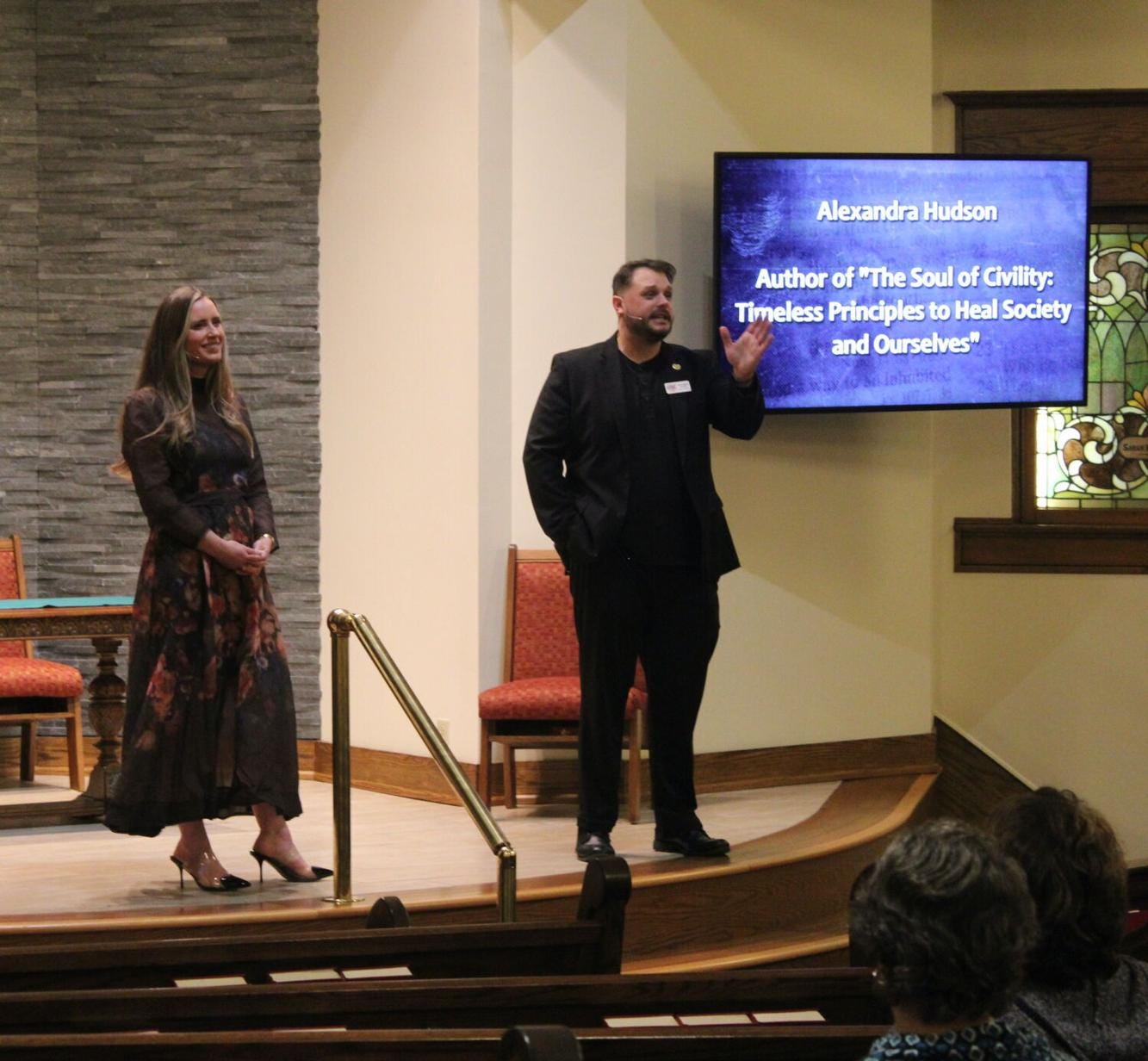
I was there for two full days. On the first day, I gave a keynote at the University of Houston Law School. It was an exceptional experience. I was in dialogue with Professor Kate Brem, who had read my book and saw it as a foundation for rethinking professionalism and ethics for young lawyers. That conversation was thoughtful, serious, and encouraging, and the room was full. I was grateful for the engagement the students brought to our dialogue.
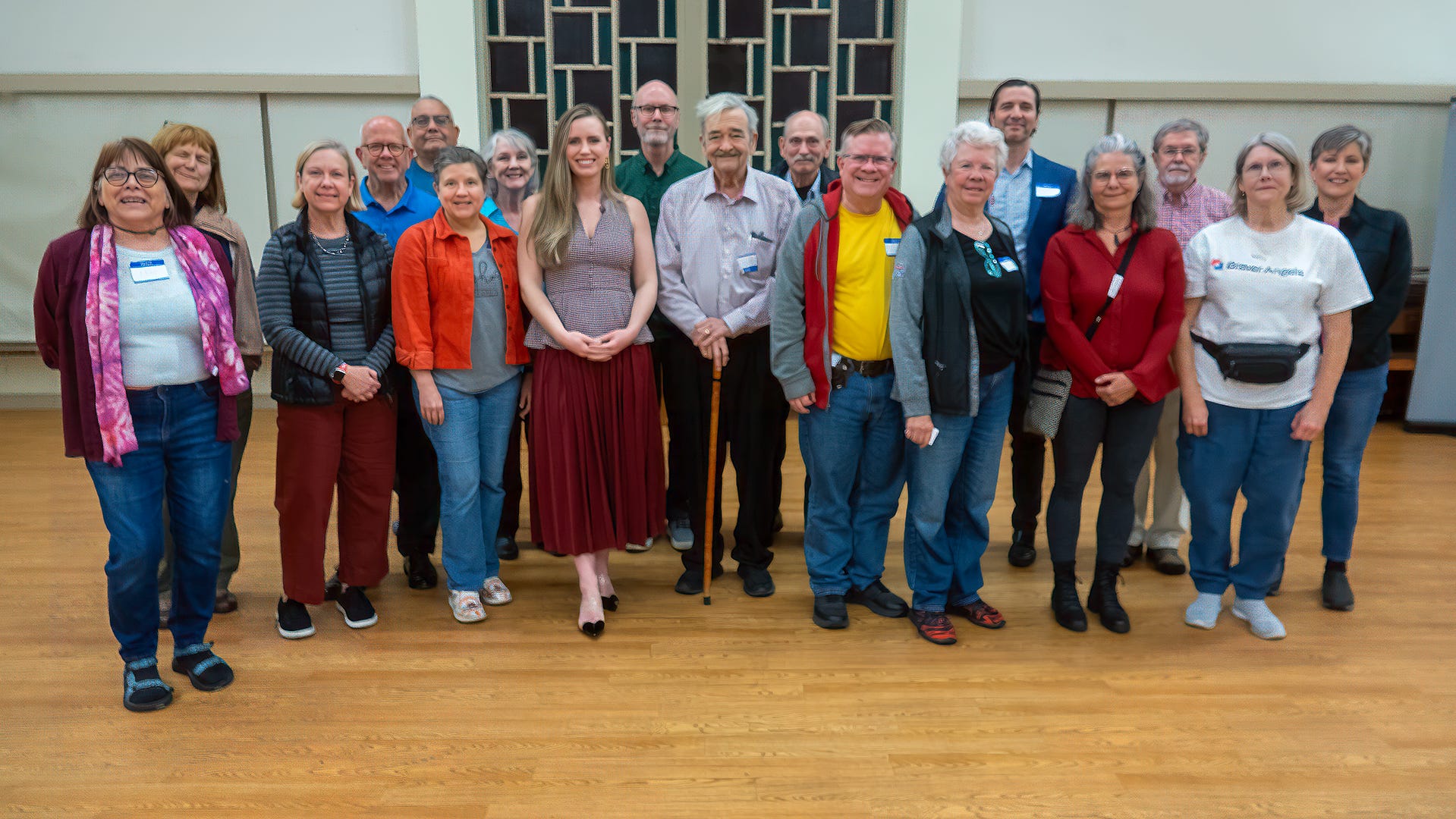
That evening, Braver Angels of Houston graciously hosted a public conversation. It was wonderful to meet so many of their members and to have such a thoughtful discussion, including about the legislative initiative we are building. I left that night encouraged by the hunger for practical ways to lower the temperature and rebuild trust.
Dispatches from the Texas State Legislature
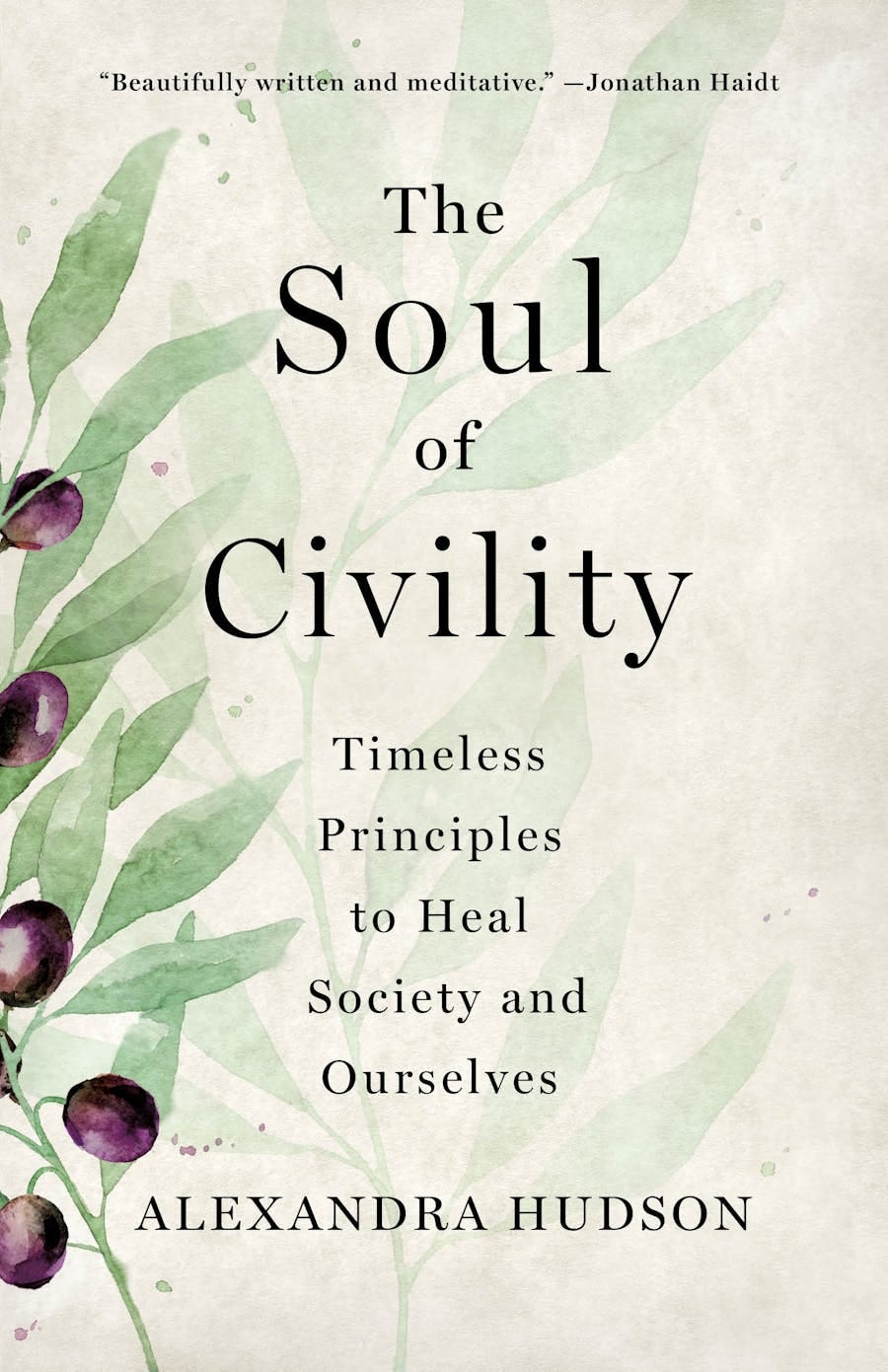
As we approach the 250th anniversary of the American democratic experiment, many people quietly wonder whether, in our state of political violence, hyperpartisanship, and division, our democracy can survive another 250 years. The question is not only about laws or elections, but about whether we still possess the habits of self-government that make freedom workable. Civility is essential to democracy because it sustains self-rule at the level where law cannot reach.
As I argue in The Soul of Civility, free societies depend on the daily practices of restraint, respect, and responsibility that allow people to govern themselves rather than be governed in every detail. When those habits erode, government grows more intrusive, not because leaders necessarily want it to, but because citizens no longer trust one another to act with care.
Civility also makes shared life possible. It fosters the kind of civic friendship that allows us to keep showing up across disagreement, even when our side loses, even when the outcome disappoints us. It resists the impulse to withdraw at the first sign of difference. Without civility, democracy becomes a contest of power alone. With it, democracy remains a shared project. That is why the work now beginning in Texas matters. It is an effort to test whether these habits can be renewed, practiced, and sustained inside one of our most consequential democratic institutions, before they are needed most.
Yesterday was a long and important day for this work. I was up early, took a coach from Houston to Austin for a full day of meetings with legislators,staffers, and partners . The whole day left me hopeful and grateful for the opportunity to put the ideas from The Soul of Civility into practice in a high-stakes, tense political environment.
In every meeting, I said the same thing. The vision here is that this civility initiative is built, led, and sustained by legislators and Texans. I am a catalyst, and my book is a canvas, for these conversations. The work itself belongs to the people inside the institutions; it must be owned by those who want to build a culture of trust across difference.I saw, again and again, a seriousness among these people about doing the hard, long work of building a culture and a system meant to endure, one that is woven into the air and fabric of the institution itself, fifty years from now.
As a student of history, I think in centuries, not because change takes that long to appear, but because lasting change in hearts, minds, and behavior is slow work. Persuasion takes time. Trust takes time. Shared norms take time. The good news is that this kind of change, when it comes, is harder to undo. That is why our civility work in the legislature is deliberate and grassroots-led, focused on shaping habits and relationships that can endure.
I met first with senior staff from across the legislature. We had Republican and Democratic staff, from both the House and the Senate. There were staff there who had read my book and believe in the mission of this work, and eager to lead it. That meeting had two main questions at its center.
First, what role do staff play in helping a member-led, grassroots civility initiative around these ideas succeed? Second, what would a parallel initiative look like for staff themselves?
We talked about infusing this work into mentorship programs, into chiefs of staff meetings, and into the rhythms and culture of legislative life. What stood out most to me was the level of commitment. These were people who see the need for this work in their daily context and who want to help lead it.


I then met with members of the legislature. Texas is unique in that it meets every two years, and this is an off year. There is no session right now. That means every member who came flew in or drove in specifically for this conversation. That matters.
One reason we are starting this work now, a year before session, is because social trust cannot be manufactured on command. You cannot show up once every two years and expect to have the relationships that sustain good deliberation across disagreement. Trust has to be built before it is tested.
We had members present, Republicans and Democrats, from both the House and the Senate. That bipartisan and bicameral foundation—in both the staff and member meeting—is important. I spent most of that meeting listening. Where do you see the needs? Where do you see opportunities for growth? Where should we begin?
We discussed many concrete ideas, including the distinction between civility and politeness, our crisis of dehumanization, and the reality that disagreement is inherent to democracy. Disagreement is not a bug in the system. It is a defining feature of it.
We also talked about practical ways for the intellectual foundation of the book to take root, including using it as part of orientation training for newly elected legislators. The goal would be that from the moment someone is elected, they are grounded in the difference between civility and politeness, an awareness of how dehumanization takes hold, and a responsibility to recognize the dignity of colleagues and staff alike.
One encouraging pattern I continue to notice is this. Whenever I describe this initiative as member-led and member-sustained, someone says, I know exactly who should be part of this. And it is often a different name each time. That tells me something important. There are already models of this way of showing up inside the legislature. This work is not about fixing villains. It is about gathering, supporting, nourishing and convening the people within the legislature who already want to lead well.
We also talked about civic friendship, and the cost of its breakdown. There were moments of real emotion. Members shared that after certain votes, colleagues would not look them in the eye, would not speak to them, would not acknowledge them. That hurts. There is real woundedness, and real erosion of trust.
History teaches us that trust can be rebuilt, but it is fragile, and it must be cultivated. That is why this initiative is being designed as something ongoing, not episodic. It is about day-to-day practice, not just showing up when session begins and hoping for the best.
After that, I was invited to the governor’s office, where I met with several senior staff to brief them on the legislative initiative and to share the framework from my book. The conversation was thoughtful and encouraging, with serious questions and engagement. I was grateful for the opportunity to share this work with them.
At its heart, this is an experiment.
In an environment with low trust and low civic friendship, can trust be rebuilt if even a small group of members believe it can and are willing to work at it?
I believe it can, and we are starting with a strong foundation.
The next step is a twelve-week reading of my book with members, meeting weekly and inviting new participants as we go. These sessions will not just discuss the text, but will ask, directly and practically, how these ideas apply to the legislature as it exists right now, and how they can improve working relationships in service of constituents.
Overall, I am hopeful, and I am honored to partner with these members and staff. The longer-term vision is to build a set of tools and a framework that can serve other leaders, other legislatures, and other divided environments where trust has frayed.
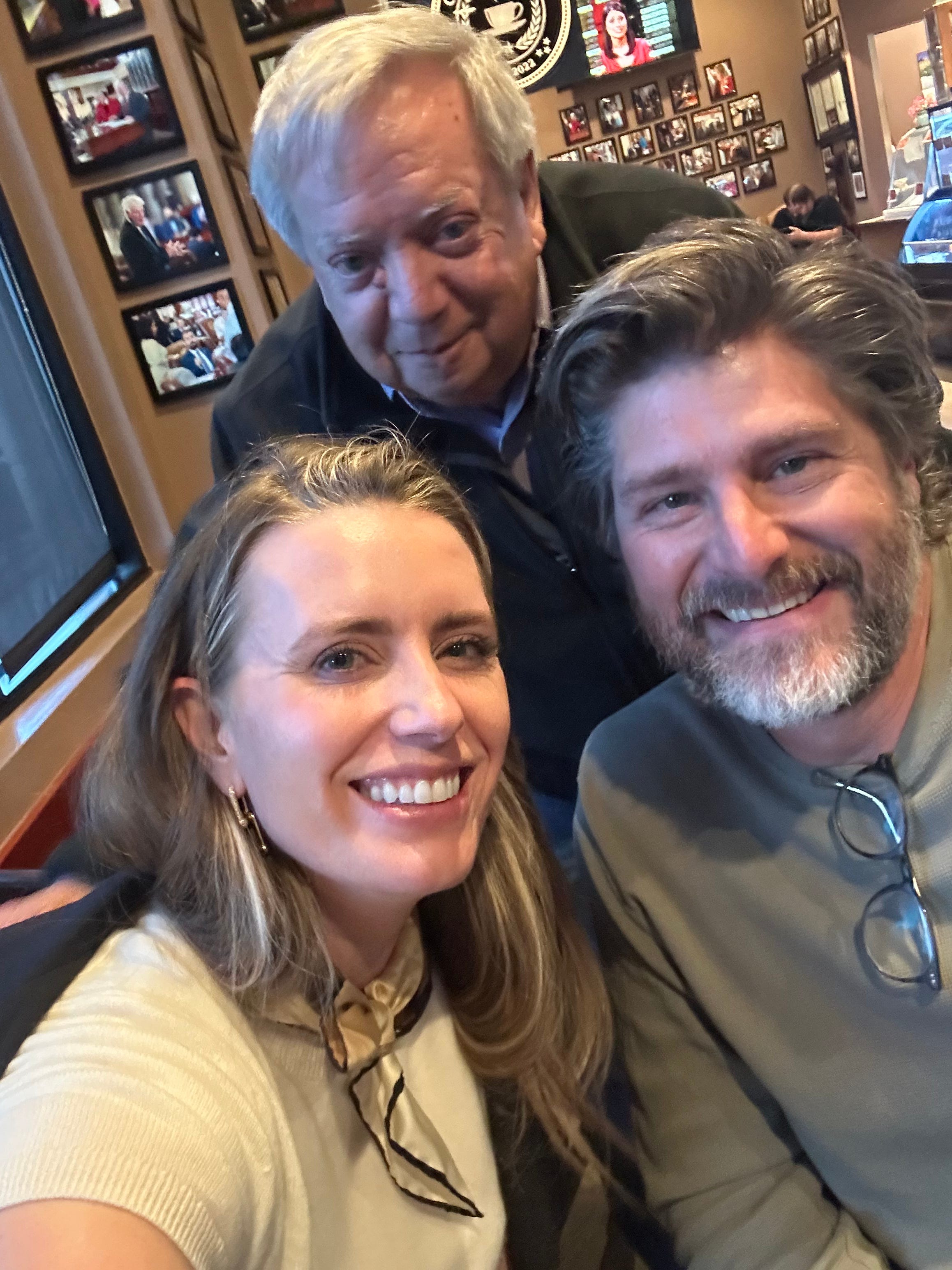
At the end of the day, it was a gift to meet with friends who lead Braver Angels and Leadership Austin to talk through how, from their vantage point as citizens, they might support the legislative initiative among members—and to perhaps start their own initiative around The Soul of Civility Action as well.
I am grateful to these leaders and citizens alike who are saying—in word and action: “The way things are is not the way they have to be. I cannot control others, but I can control myself, and I will choose to be part of the solution.”
That is what I heard yesterday. That is fertile ground for us to build something beautiful, and lasting, together in Texas.
Thank you for your questions, your prayers, and the good will that many of you sent my way. I welcome your feedback, your questions, and your ideas. If you know of partners, organizations, or institutions in Texas that should be part of this, I would love to hear from you.
This work is just getting started. If you’d like to initiate a stop on the Civic Renaissance Tour and bring these ideas to your community, we’d love to hear from you.
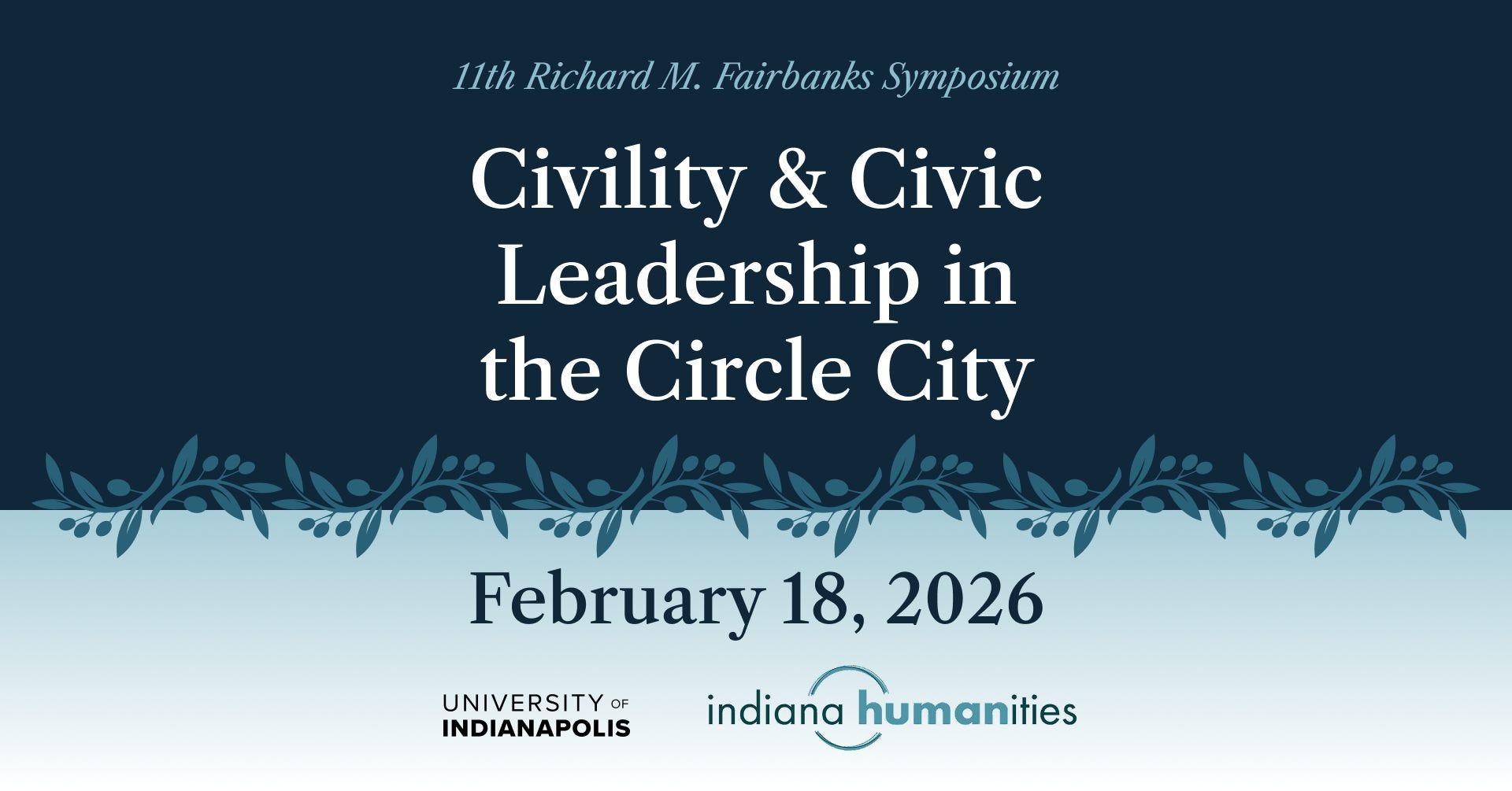
The Civic Renaissance Tour has been in Shelbyville, now Texas, and it launches in Indianapolis in a few weeks in partnership with Indiana Humanities, the Fairbanks Foundation, and the University of Indianapolis.
Thank you for being here, and for walking alongside me in this work.
Lexi
Invitation: The Forgotten Virtue of Moderation
A live dialogue with Alexandra Hudson and Thomas Chatterton Williams
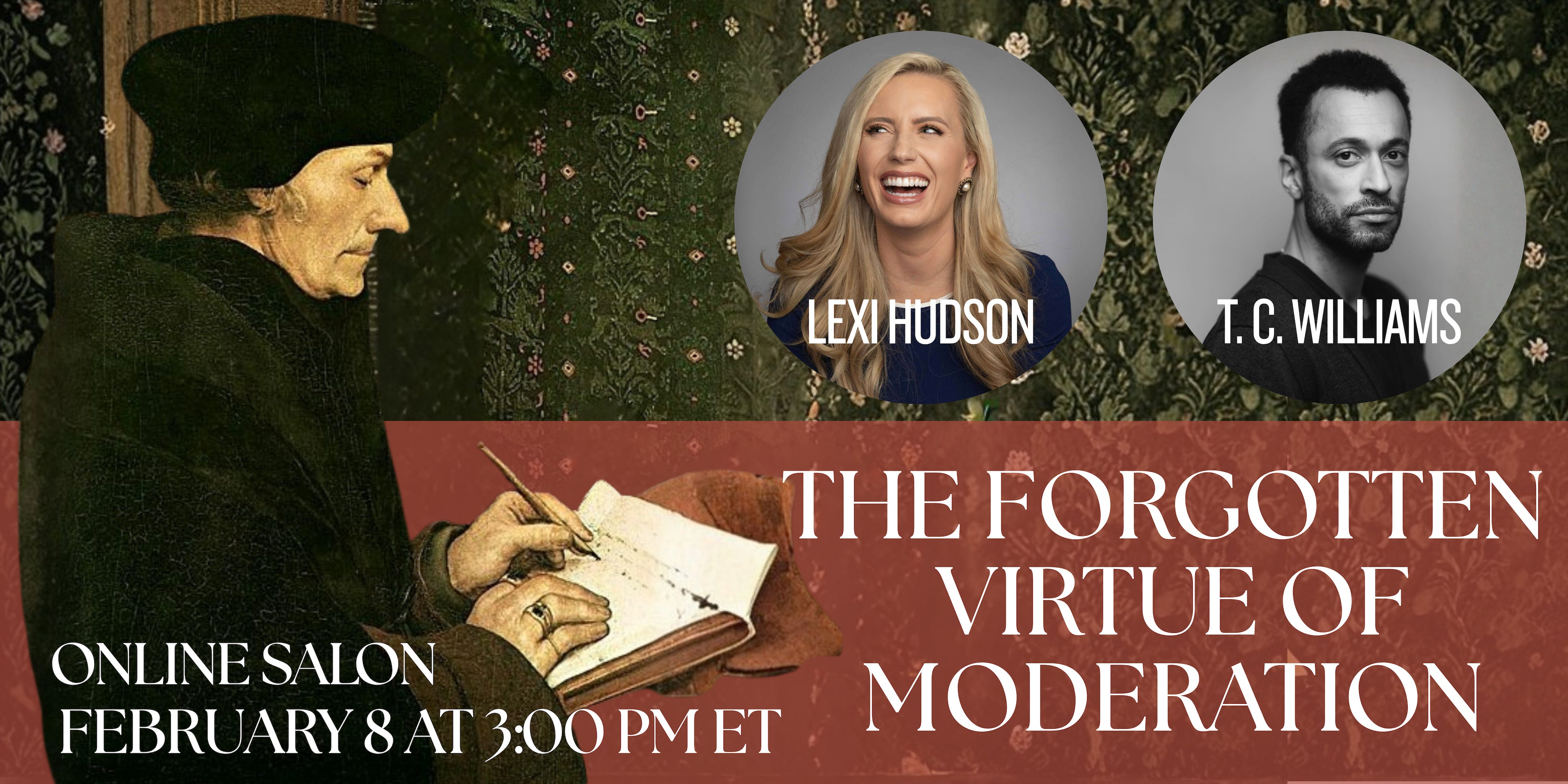
In an age shaped by outrage, certainty, and faction, moderation has become suspect. Those who refuse to sort neatly into camps are often dismissed as weak, naïve, or uncommitted. And yet, across history, the thinkers who most enlarged human understanding were rarely loyal to a side. They were loyal to truth.
This evening is a live dialogue between Alexandra Hudson and Thomas Chatterton Williams on the recovery of moderation as a serious intellectual posture, and on the examined life as its necessary foundation.
In the new:
Year Ago on Civic Renaissance:
When does an intellectual failing become a moral one? Bonhoeffer’s theory of stupidity
Thank you for being part of our Civic Renaissance community!