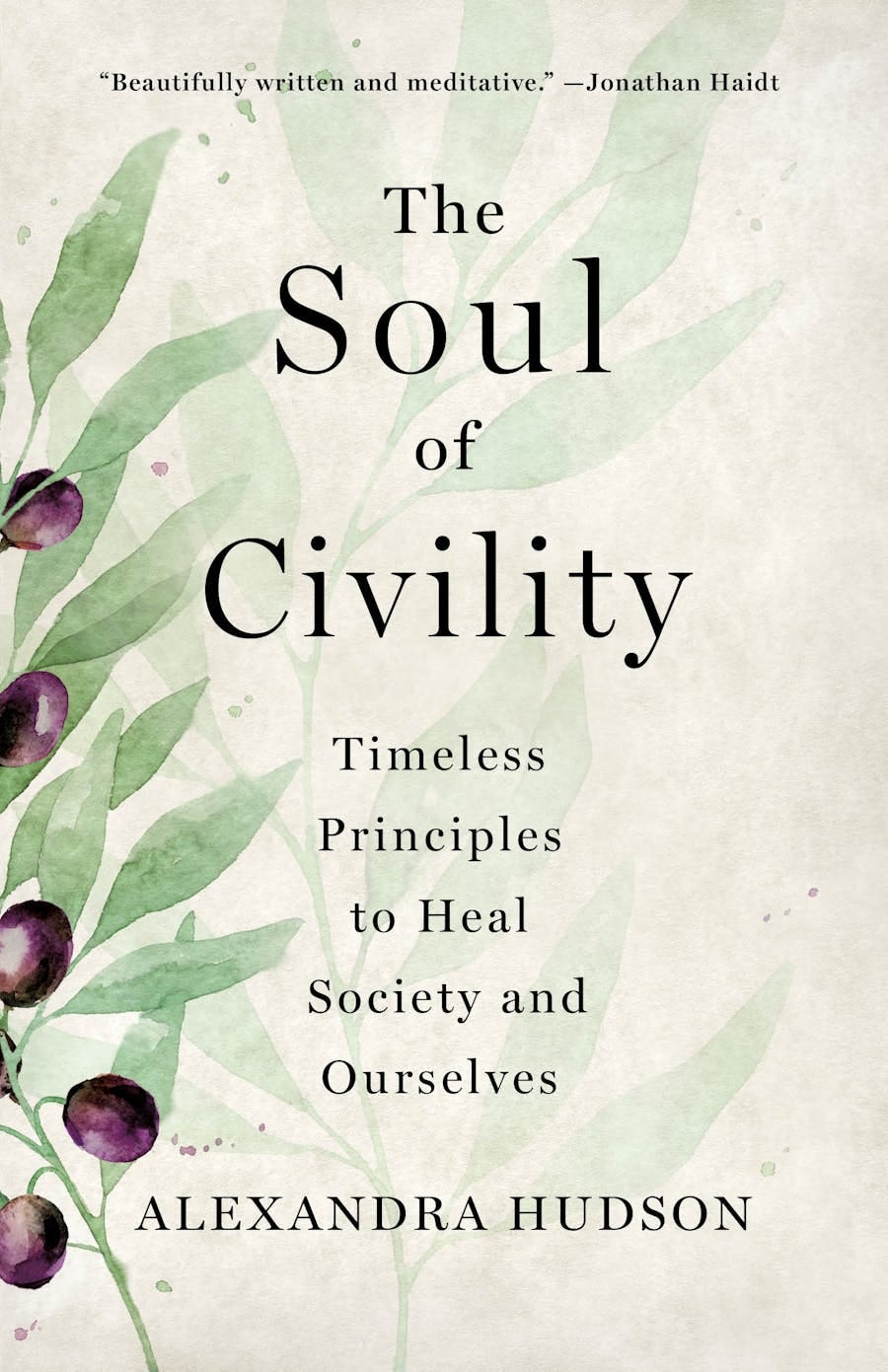
Alexandra Hudson is the author of The Soul of Civility (St. Martin’s Press) and the founder of Civic Renaissance, an intellectual community devoted to beauty, goodness, and truth. Civic Renaissance exists to revive the wisdom of the past and bring it to life in our time, helping us flourish across difference.
Gracious reader,
Over the past several weeks, the Civic Renaissance Tour has taken shape in a way that clarifies both the need and the opportunity in front of us.
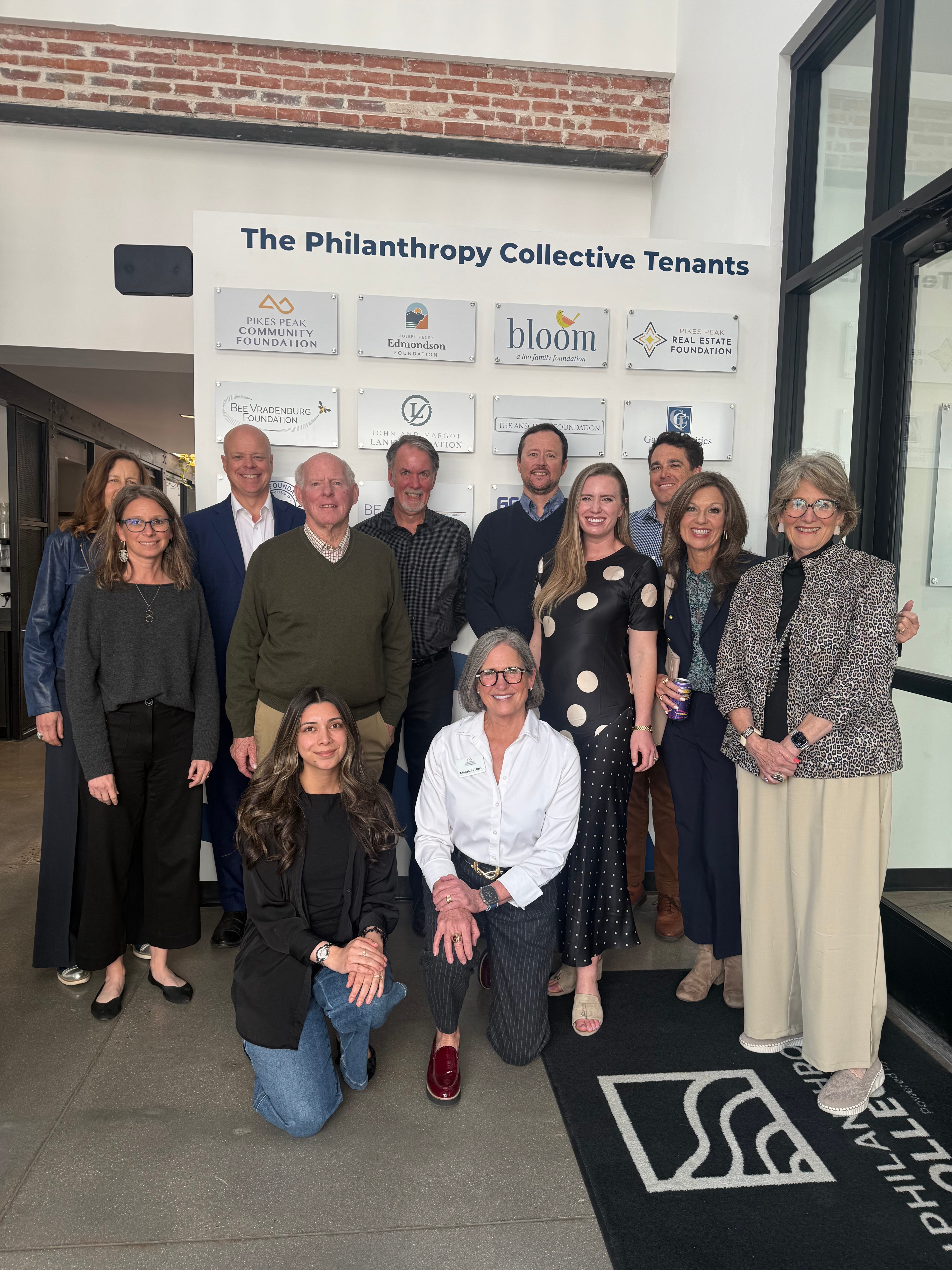
In Colorado Springs, I saw something that is becoming a pattern across the country, one that gives me hope for the future of our country and our world. The Soul of Civility in Action, a Civic Renaissance Playbook, is no longer theoretical.
Across the country, communities are beginning to move through four phases— Discover, Ignite, Embody, Celebrate—that position them to be hubs of renewal.
Last week in Colorado Springs, I watched this process take root in real time.
Discover
A few years ago, two local leaders, Lori Leander and Lisa Brandt, encountered The Soul of Civility. They did not treat it as an interesting set of ideas. They treated it as a starting point. They began placing the book into the hands of mayors, council members, and civic leaders across their region, not as a gesture, but as an invitation to build something shared.
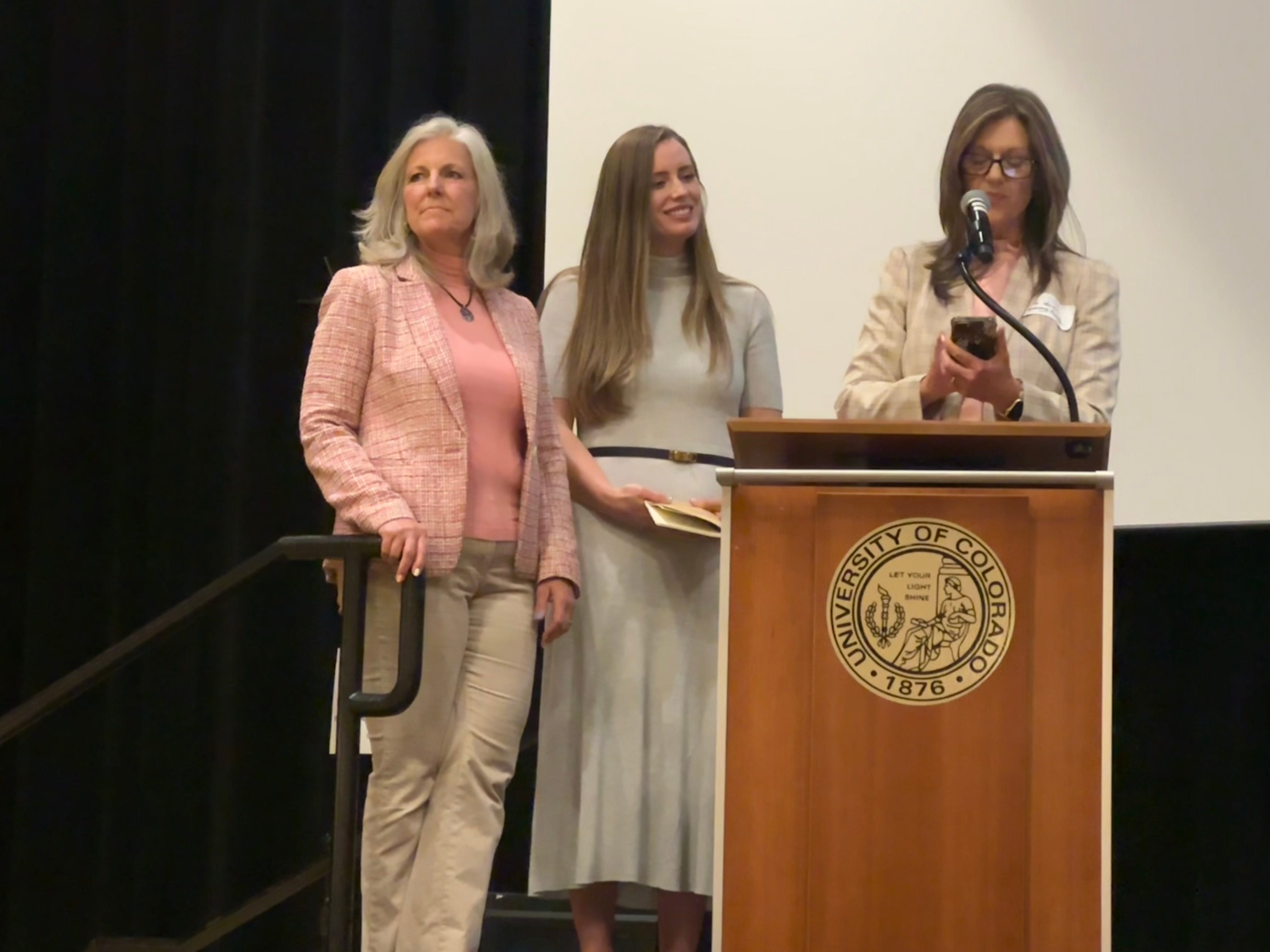
That is where this work always begins.
A community must first develop a shared language. Not politeness as surface technique, but civility as an inner disposition, a way of seeing others as they are, human beings with dignity, equal moral worth, and claims on our respect. Without that foundation, nothing durable can be built.
Ignite
From that foundation, Colorado Springs moved into what I call the Ignite phase.


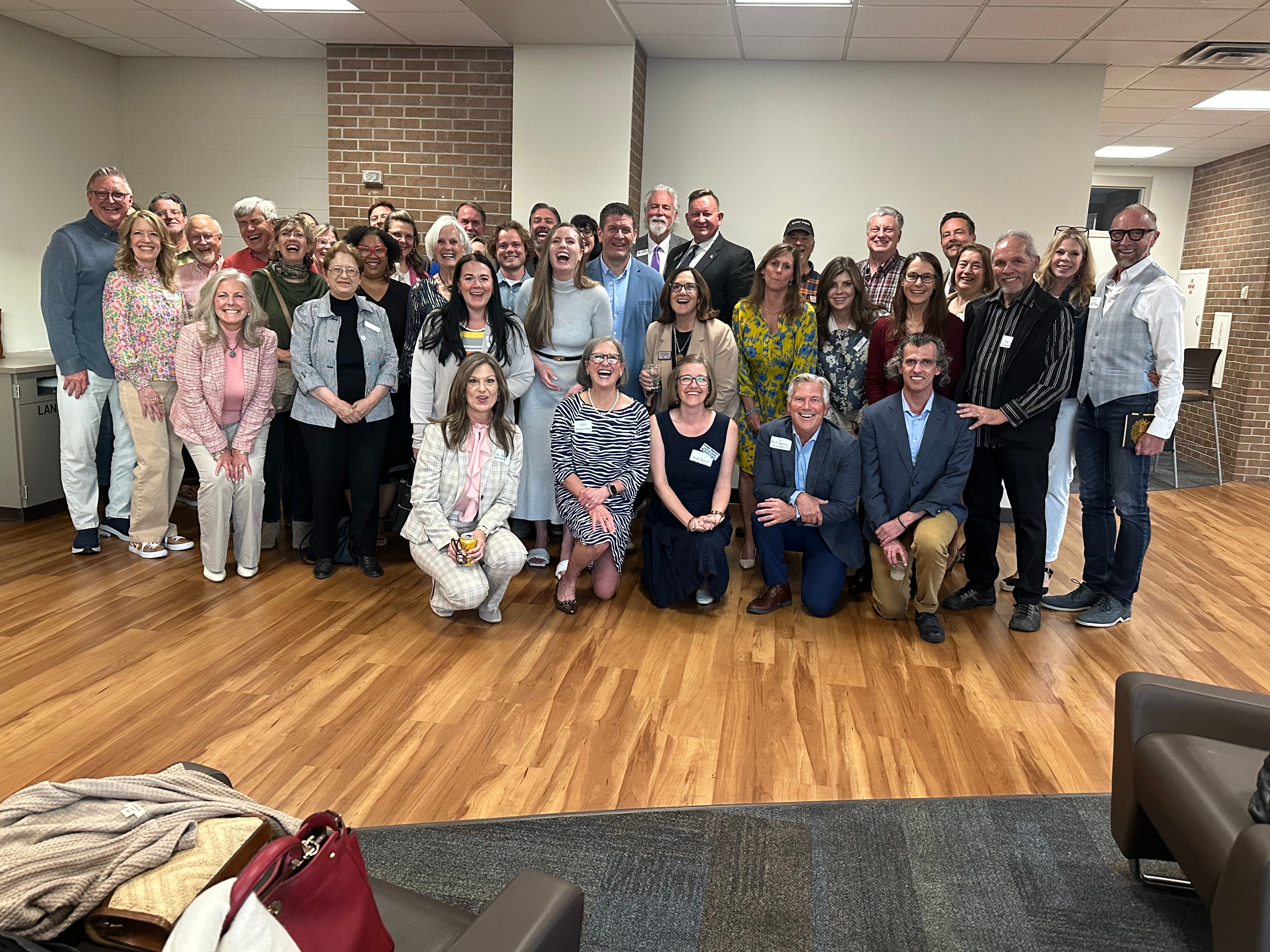
Over two days, we convened leaders across the region. The mayor, members of city council, school leaders, philanthropists, and institutional heads gathered in the same room. We partnered with Braver Angels, and I was in dialogue with Maury Giles.
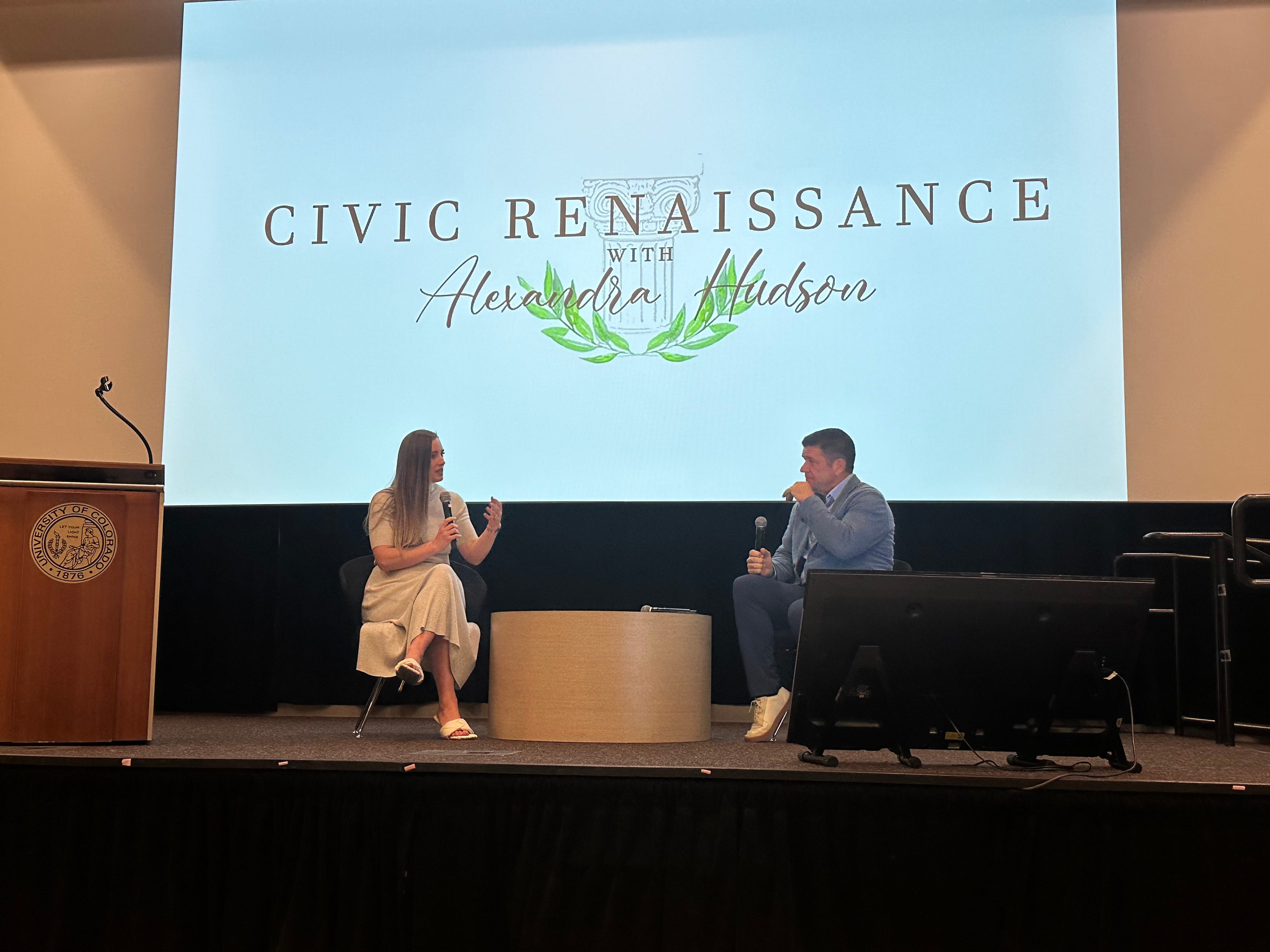
What emerged was not theoretical.
The region is facing real strain. A recent controversy over a proposed Buc-ee’s development revealed something deeper than a zoning dispute. It exposed a breakdown in how disagreement is carried. Residents, leaders, and stakeholders were not merely divided. They were wounded by the way conflict unfolded.
This is not unique to Colorado Springs.
How to flourish through disagreement
Across the country, the issue is not whether disagreement exists. It is whether we know how to carry it without dehumanizing one another, and whether we know how to repair relationships afterward.
Those two variables—how we engage conflict and whether we reconcile after it—determine whether difference strengthens a community or fractures it.
In Colorado Springs, leaders named the problem clearly. Then they asked the right question:
What would it look like to build a city where difference becomes a source of strength rather than strain?
That question moved us into action.
The following day, we convened a leaders’ roundtable with roughly forty decision-makers across sectors. This was not a discussion for its own sake. It was a working session. The goal was to leave with direction, ownership, and a path forward.
Embody
From that session, an Embody phase has now begun. Leaders are taking responsibility for carrying this work into schools, workplaces, civic institutions, and local networks. They are identifying who else must be at the table and what must be built next.
Parallel to this, philanthropy stepped in.
A few months ago, after I shared about the Colorado Springs Civic Renaissance launch, Will reached out to me independently. He leads a foundation in Colorado Springs and said he wanted to be part of what is being built there. He is now a Civic Renaissance Ambassador—a program I built to invite local leaders to be co-creators as we bring the ideal of flourishing across difference to life. This is how this work moves from conversation to capacity building locally.
Will then hosted a lunch at his foundation with regional philanthropic leaders. He gifted each of them a copy of The Soul of Civility in advance, and many arrived having read it and participated in the convening the day before.
The conversation centered on a question that history answers clearly:
What is the role of patronage in moments like this?
From Renaissance Florence to other periods of renewal, the answer is consistent. Cultural and civic transformation requires people who are willing to invest in the conditions that allow it to take root.
Colorado Springs is now moving in that direction.
Celebrate
This work is being built and positions the region clearly as a hub of renewal. I will be back in September in Colorado Springs to help consolidate and perpetuate this work.
But this is not a linear progression.
Discover, Ignite, Embody, Celebrate is not a sequence you complete. It is a cycle you return to, bringing new people and voices into the fold each time.
A community must continually rediscover its shared language, reignite its commitments, embody them in practice, and celebrate what is taking root.
This is what the Civic Renaissance Tour is designed to do. Not to host events, but to help communities move from language to structure, from insight to practice, from aspiration to something that can endure. This work helps communities move from shared language to durable civic architecture.
I serve as a civic architect: my book a canvas, myself a catalyst, empowering local leaders to decide what they want to build, and then to build it.
There is a place for you here
This work is already underway in multiple regions across the country. The pattern is becoming clearer. When leaders are given shared language, a structured convening, and a path to implementation, they begin building.
If you are responsible for shaping a community or institution, and you can see the cost of division firsthand, whether in government, education, philanthropy, or civic life, and you are looking for a way to move beyond managing conflict toward building something stronger, I would welcome the conversation.
Later this month, we will gather a small group of leaders for a Civic Renaissance Retreat here in Indianapolis. This will be an invitation-only working convening, including Mitch Daniels and Daryl Davis, whose work offers a concrete example of what it means to engage difference without dehumanization.
The aim is to leave with work that will be carried forward, not ideas that stay in the room.
To bring together people who are ready not only to discuss these ideas, but to carry them into the institutions and communities they are responsible for shaping.
If that is the kind of work you are trying to do, there is a place for you in this.
Thank you for being here.
Warmly,
Lexi
In the news:
Fox 21 News: Reclaiming Civility: Cultivating connection and respect in Colorado Springs
A media interview about The Civic Renaissance Launch in Indianapolis last week - Fox 59: 11th annual Fairbanks Symposium- Watch here
A podcast interview with Michael Lee of the University of Charleston, When We Disagree Podcast: The Soul of Civility, Tested
What does civility demand when justice is costly and deeply personal? Alexandra Hudson, author of The Soul of Civility and founder of Civic Renaissance, shares a raw story about how being scammed sparked both a lengthy legal battle and a profound disagreement with her husband over whether to fight or walk away. Through that conflict, Hudson wrestles with whether civility means politeness or principled confrontation, and what it costs our families when moral crusades take over our lives. The episode explores civility not as courteousness or softness, but as disciplined respect for human dignity even when the stakes are high and the gloves stay firmly on.
Review of The Soul of Civility in Indiana Capital Chronicle: With all due respect
Hudson is not alone in her pursuit for civility. A recent surveyshared by the Ronald Reagan Presidential Foundation and Institute’s Center on Civility and Democracy reported that 72% of Americans want to see more civility in our nation’s politics. The same survey found that Americans are divided on their outlook for our nation’s future, split nearly in half over whether to be optimistic or pessimistic about our ability to come together.
Review of The Soul of civility in Bitterroot Star: Disagree better
Our community is full of independent people who don’t like being told what to think. That’s a strength. But independence only works if we can argue honestly without tearing each other apart in the process. This book doesn’t offer a program or a slogan. It offers a reminder of the habits that make self-government possible.
Year Ago on Civic Renaissance:
Paideia, Humanitas, Civility and Education
Thank you for being part of our Civic Renaissance community!