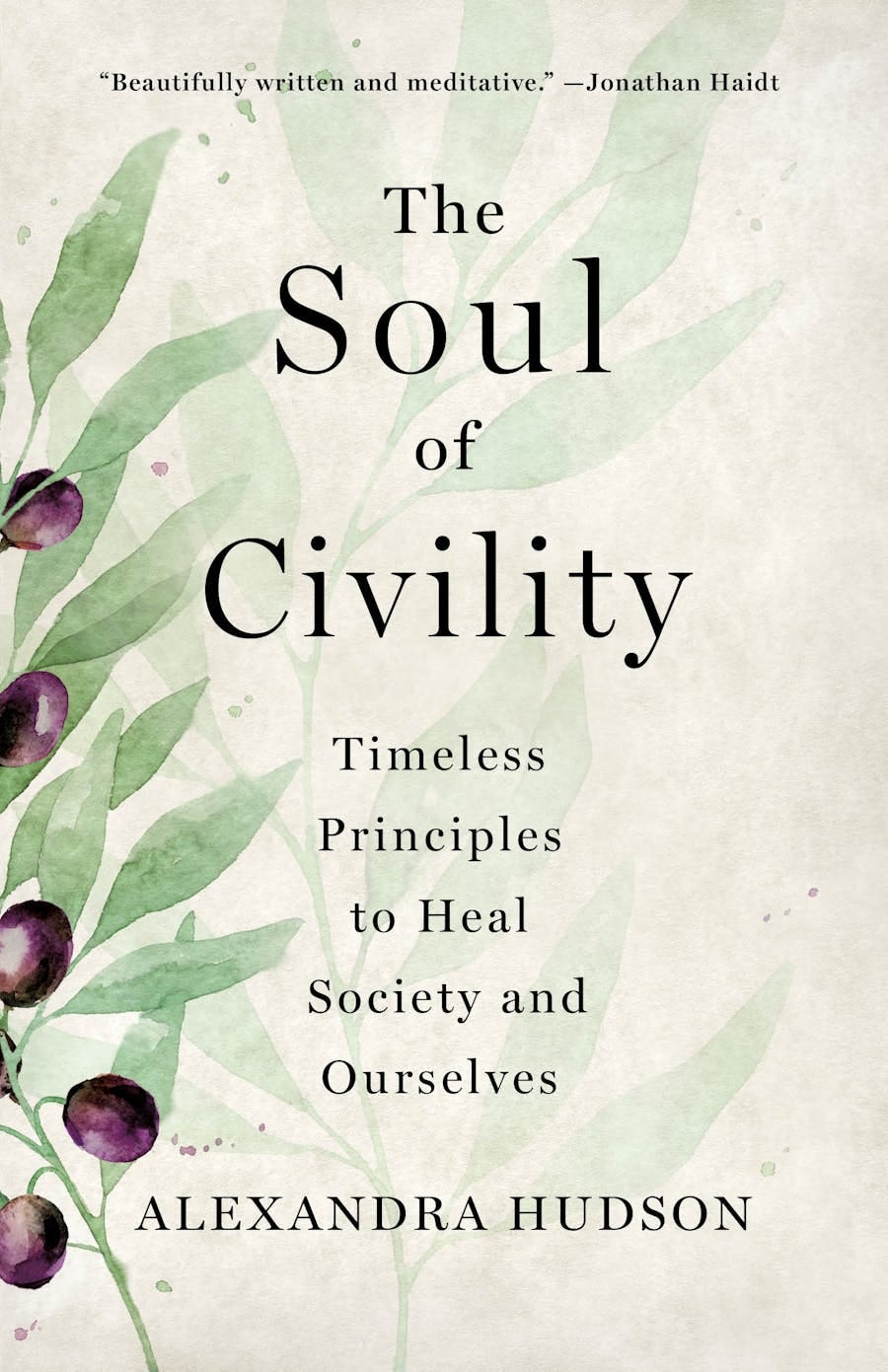
Gracious reader,
This past week marked a visible milestone for Civic Renaissance.
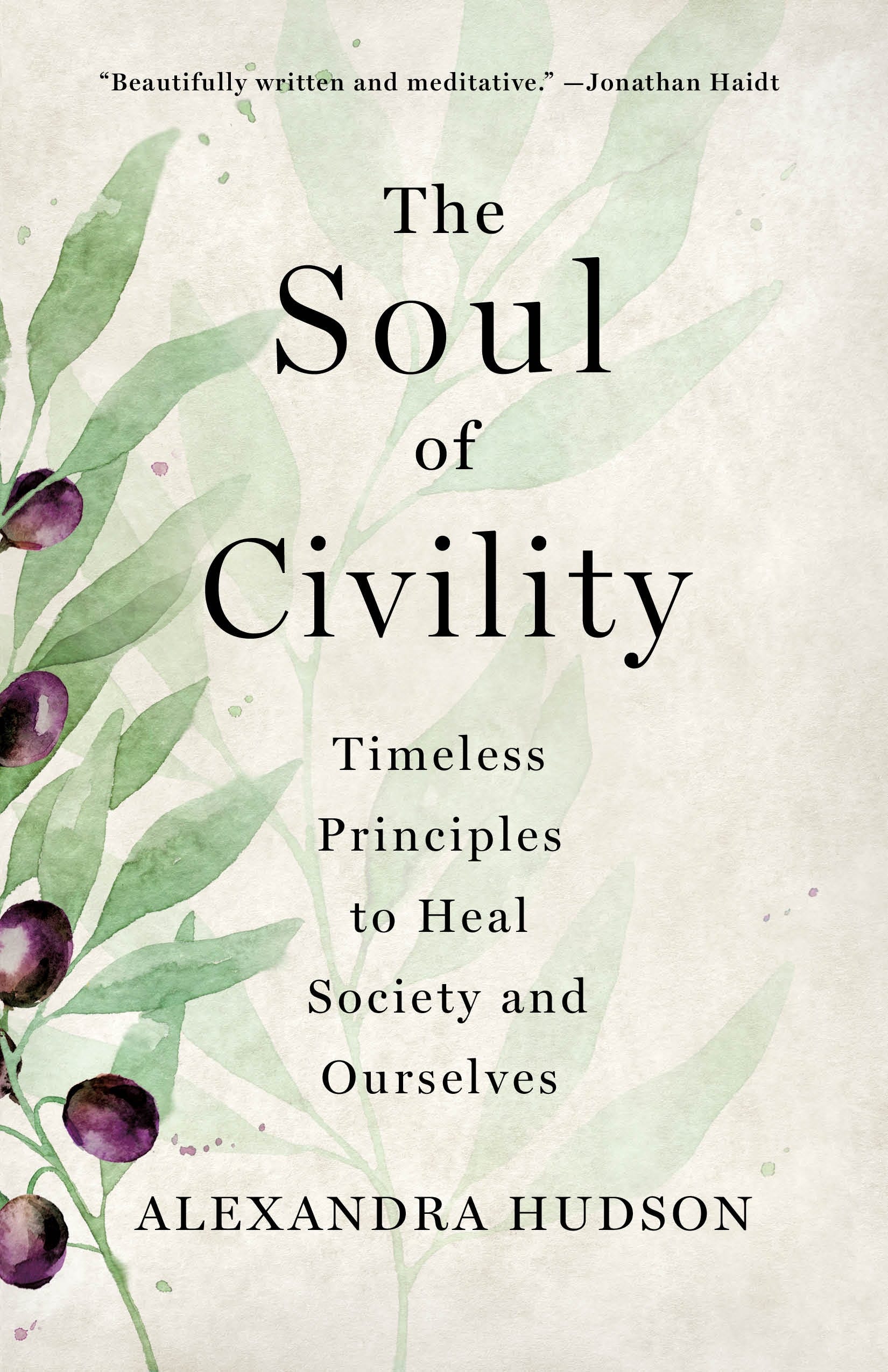
In Texas, members of the state legislature invited their peers to read The Soul of Civility together. A member-led experiment, quiet but serious, is unfolding inside of one of our nation’s most polarized institutions. Leaders there are turning to my book to help them navigate our crisis of dehumanization. I will be back in Austin this week to continue that work.
In Shelbyville, Indiana, we launched the Civic Renaissance Tour: A church-led, community-wide effort to take these ideas off the page and into schools, churches, and civic life. On Thursday night, the room was full. On Friday morning, we sat around tables and built a plan. Superintendents, city council members, pastors, and local leaders asked the same question in different ways: what does this look like here?
All of that mattered. All of it was good.
And yet the moment that stayed with me most this week did not happen on a stage, or in a council chamber, or around a conference table.
It happened on the phone, with a car dealership service manager.
It was a personal victory that was more important to me than these great public ones.
The story.
Last year, my car was stolen from our driveway. We eventually got it back and took it to the dealership to be repaired. We paid for what we were told was a complete fix, with a two-year warranty. Months later, water started getting into the vehicle. Then the battery failed. The dealership refused to take responsibility.
I was angry. I felt wronged. I felt justified.
I left negative reviews. I was sharp on the phone. I replayed the situation in my head, again and again. It took up far more space in my interior life than it deserved. Eventually I thought, with some embarrassment, that I might need to sell the car simply because I could not bear to deal with this one person anymore.
That is when I realized how upside down things had become.
On Thursday morning, as I was packing to drive to Shelbyville to launch the Civic Renaissance Tour, a quiet but persistent thought surfaced. I cannot stand in front of a community and speak about flourishing across difference if I am not willing to practice it when it costs me something.
So I called the service manager of the dealership.
The conversation did not begin with the car. It began with Christmas, with getting sick over the holidays, with kids, with hosting. For twenty minutes we talked as human beings. The tension softened.
Then I said what I needed to say.
I told him I was sorry. I told him I had not shown up well in our previous conversations. I regretted being unkind. This was not who I want to be. I told him, a little awkwardly, that I had written a book about learning how to live well with others across difference, and that in this small but real disagreement, I had failed to live up to my own ideals.
He was gracious. He accepted my apology. We worked out a solution.
By the end, the car barely mattered—and I was ready to have him and his wife for dinner. Repair had led to a stronger friendship than I ever thought possible with my car dealership’s service manager.
I realized that this work matters: that the promise our differences can bring out the best in us, and that conflict can strengthen relationships, is true.
I lived it out firsthand.
What has stayed with me was the physical lightness that followed. The release of resentment and bitterness that had been weighing on me without my realizing it, draining my joy and my will for this work in ways I had not fully appreciated.
The sense of being back in proper alignment was electrifying.
I may have been right about the facts, but I was wrong about what mattered most. I had forgotten the person on the other side of the exchange.
This work is not about perfection. It cannot be. We are human beings, which means we will fall. All of us. We will lose our cool. We will say things we regret. We will forget to see the dignity of the person in front of us when we are tired, stressed, or convinced of our own righteousness.
The question is not whether we will fail. The question is whether we become fluent in repair.
Can we apologize without self-justification? Can we forgive without keeping score? Can we hold the personhood and dignity of the other in view when it would feel easier not to?
Private conduct matters. It always has.
Public initiatives, institutions, and movements rest on the habits we practice when no one is watching.
This work begins there, or it does not begin at all.
As I explore in my book, character is habit long continued, and integrity is what happens when all the parts of the self make sense together.
We cannot be publicly for a school, an institution, or a cause, and privately undermine it through how we live. Making mistakes does not mean we lack character. We will make mistakes. Character is revealed in what we do next. It is shown in our willingness to correct what we have done wrong, to repair what we have damaged, and to bring our private conduct back into alignment with our public commitments. That work is not incidental to who we are. It is who we are.
Shelbyville: The Civic Renaissance Tour Begins
That theme echoed again in Shelbyville. The community is navigating a contentious local issue involving a proposed data center. The divide is not cleanly partisan. It is urban and rural. Neighbors who feel sold out by leaders they once trusted. On Thursday night we named the tension honestly. On Friday morning, we asked a different question: what power do we already have?


The answer surprised some people. More than we think.


Reading groups forming immediately. Schools engaging the children’s book. Churches hosting conversations. Leaders committing to live this not as a program but as a way of life. The book is a catalyst, not the end. I am a catalyst, not the solution. The goal is a durable, local culture that can outlast any one visit or initiative.
Texas State Legislature: The Civic Renaissance Tour Continues
Texas reflects the same truth. One book study is not enough. One lunch is not enough. Trust is built daily. Civic friendship is practiced daily. Democratic life is sustained not by grand gestures but by small, repeated acts of restraint, generosity, and repair. I’ll be there with legislators in Austin this week to explore this and hopefully build something there together.
As we approach the 250th anniversary of the Declaration of Independence this July, that reality feels especially urgent. Our public life is woven together, or unraveled, by these small threads.
So this is my invitation to you.
Think of one relationship where resentment has settled in. One conversation you have avoided. One apology you have delayed because you were certain you were right.
Reach out.
I cannot promise it will go perfectly. I can say, with confidence born of experience, that reconciliation brings a kind of freedom nothing else does. And that private victories like these are not distractions from the work. They are the work.
More soon from Texas, and The Civic Renaissance Tour, soon.
If you’d like your community to host a stop on the Civic Renaissance Tour this year, reach out. Join the Civic Renaissance Ambassador Program here.
I am grateful to be on this journey with you.
Warmly,
Lexi
Join me in Texas!
Houston friends, I’ll be speaking at the University of Houston Law Center on Tuesday, February 3rd. That evening, the Houston Alliance of Braver Angels is hosting a public conversation exploring the grassroots, member-led reading of my book, The Soul of Civility, currently underway in the Texas State Legislature.
The event is called The Leaders We Deserve, and it takes up a timeless chicken-and-the-egg question that democracies have wrestled with across history: what comes first, good leaders or good citizens?
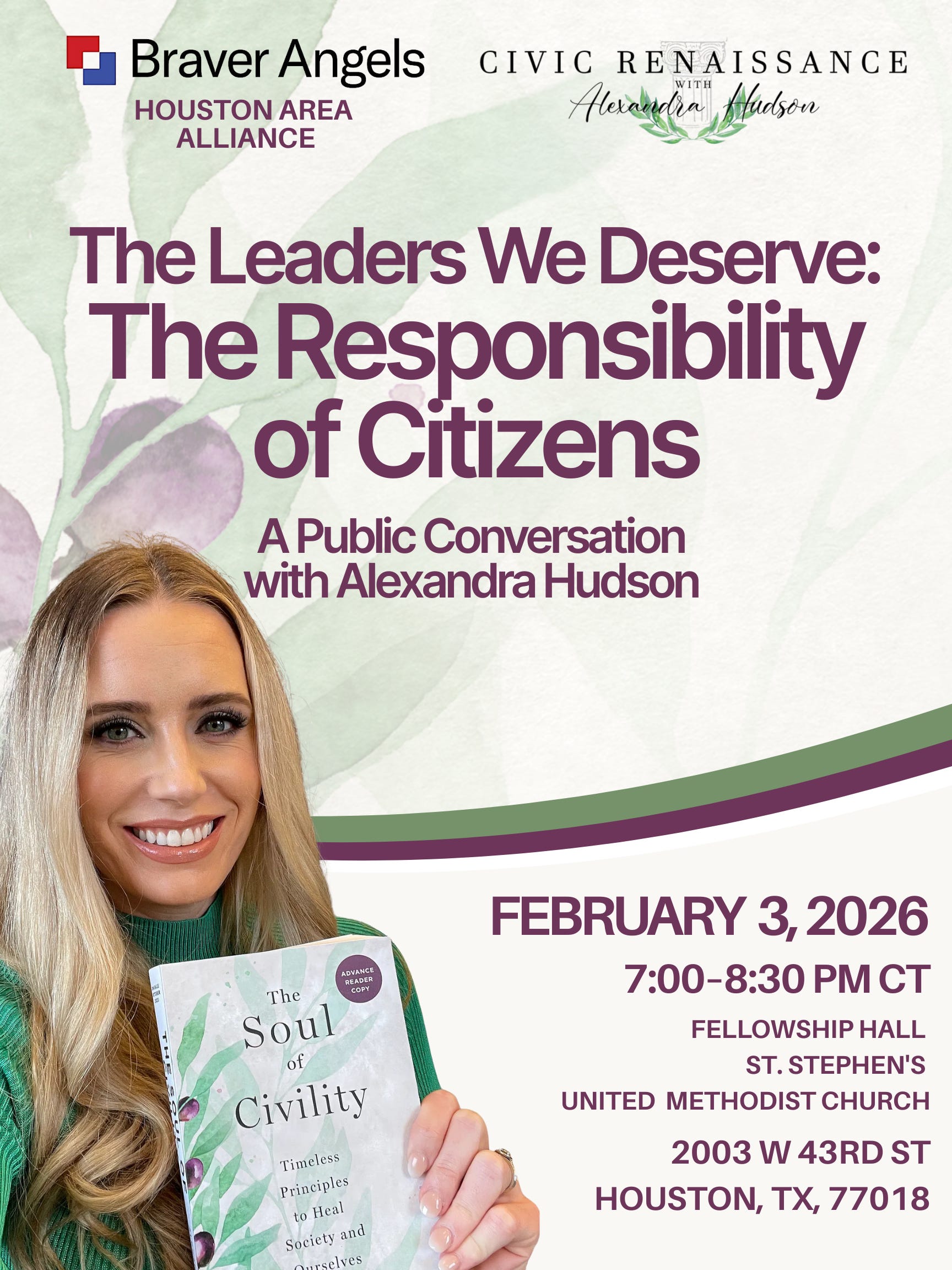
More pointedly, what responsibility do we have as citizens to shape the kind of leadership we want, to hold leaders to account, and to encourage seriousness, integrity, and sound judgment in public life?
If you’re in Houston, I’d love to see you there. If you’re not, please consider sharing this with friends who might want to join the conversation.
Invitation: The Forgotten Virtue of Moderation
A live dialogue with Alexandra Hudson and Thomas Chatterton Williams

In an age shaped by outrage, certainty, and faction, moderation has become suspect. Those who refuse to sort neatly into camps are often dismissed as weak, naïve, or uncommitted. And yet, across history, the thinkers who most enlarged human understanding were rarely loyal to a side. They were loyal to truth.
This evening is a live dialogue between Alexandra Hudson and Thomas Chatterton Williams on the recovery of moderation as a serious intellectual posture, and on the examined life as its necessary foundation.
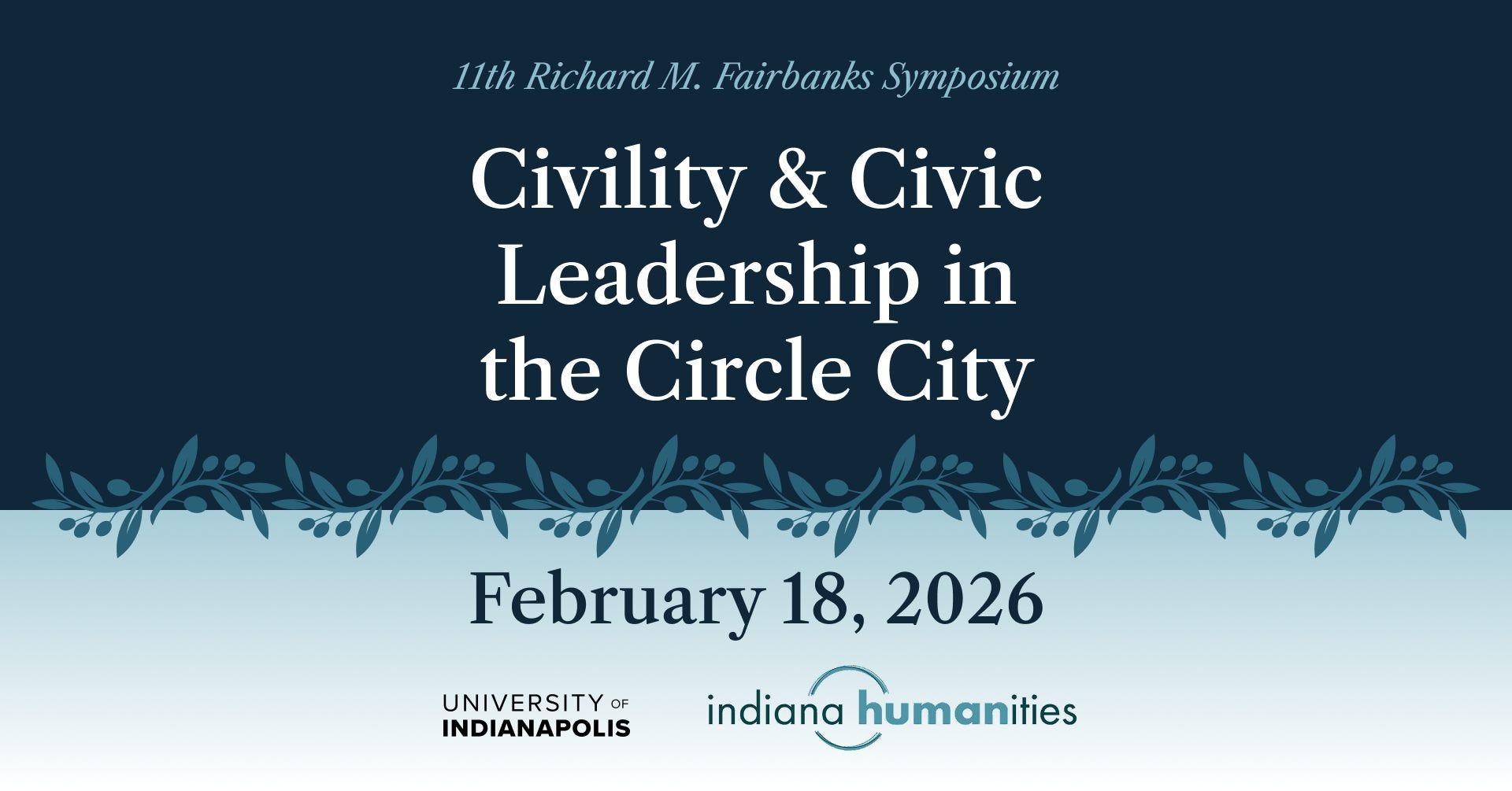
Join me in Indianapolis!
Year Ago on Civic Renaissance:
When does an intellectual failing become a moral one? Bonhoeffer’s theory of stupidity
Thank you for being part of our Civic Renaissance community!